



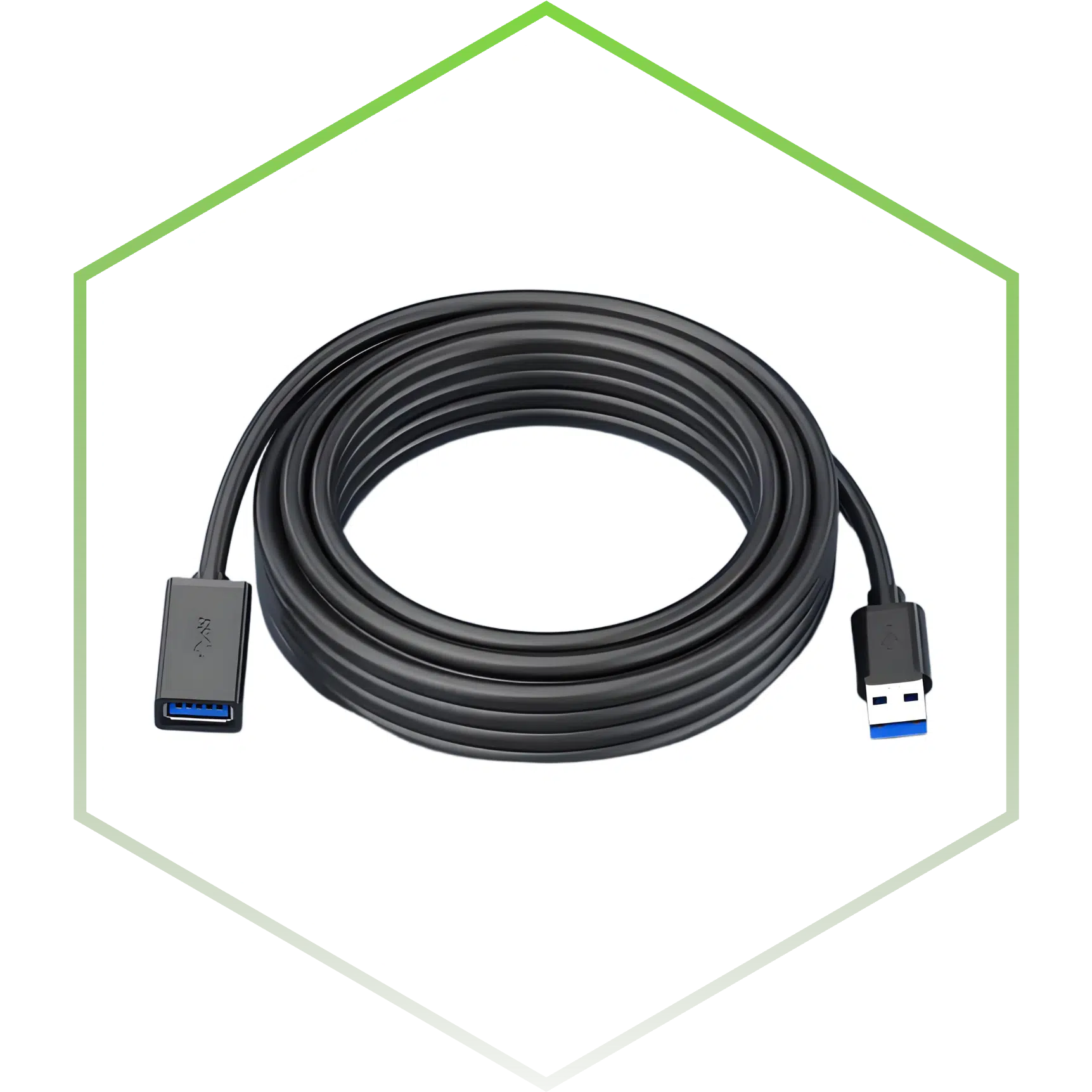
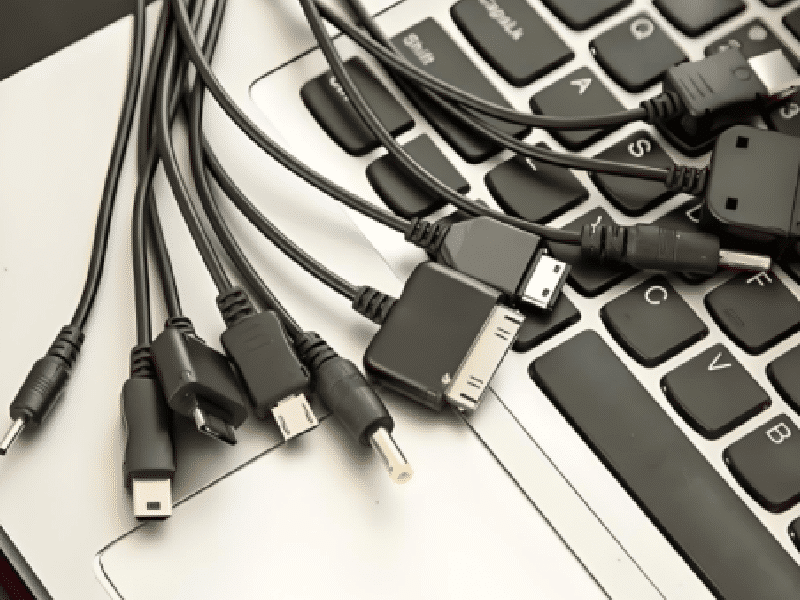
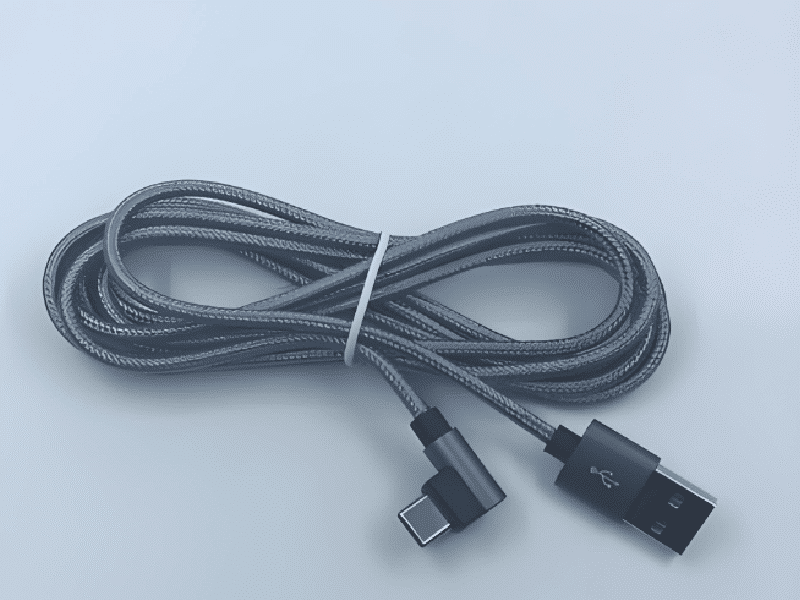
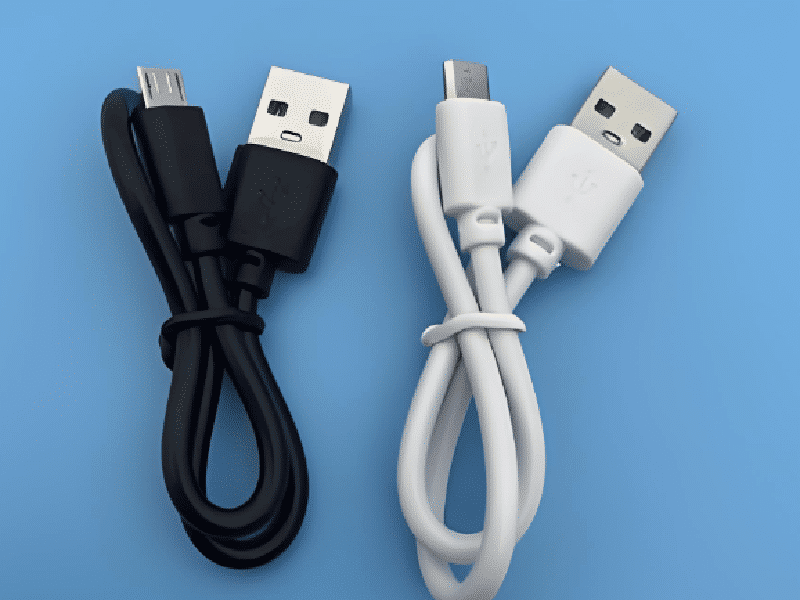
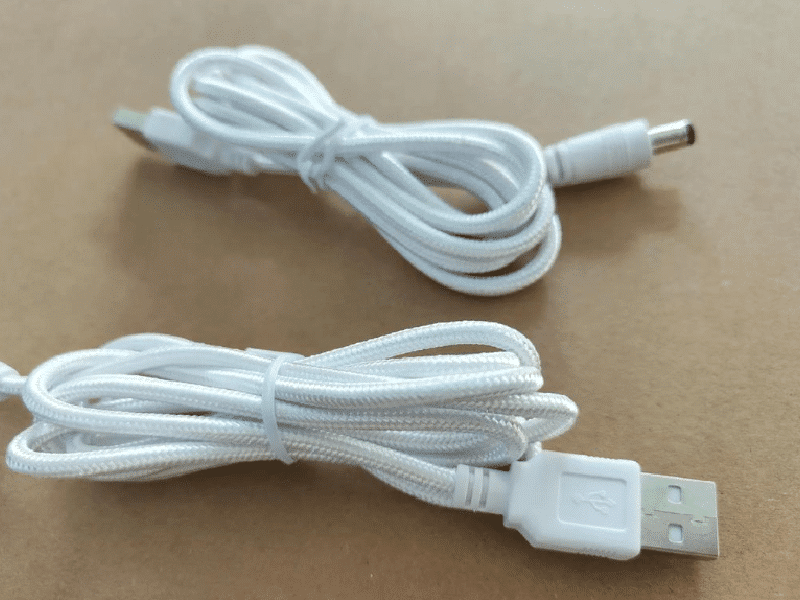
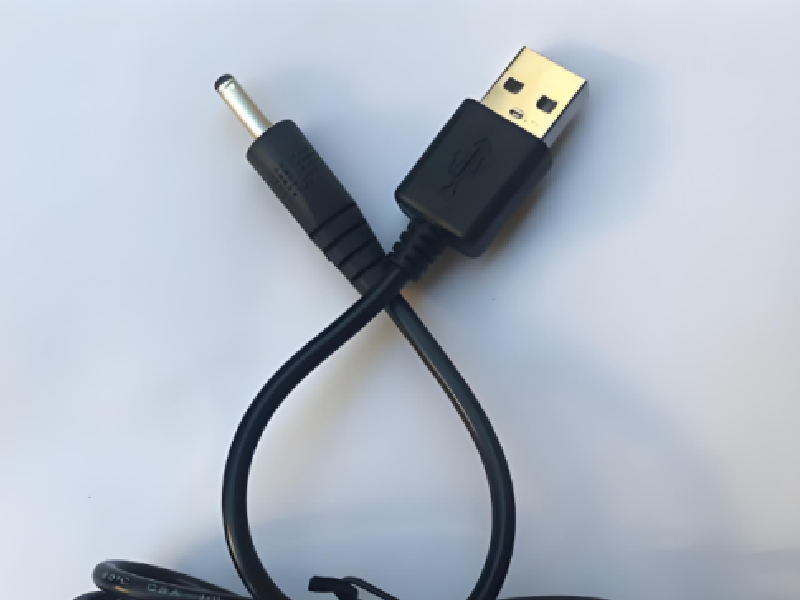
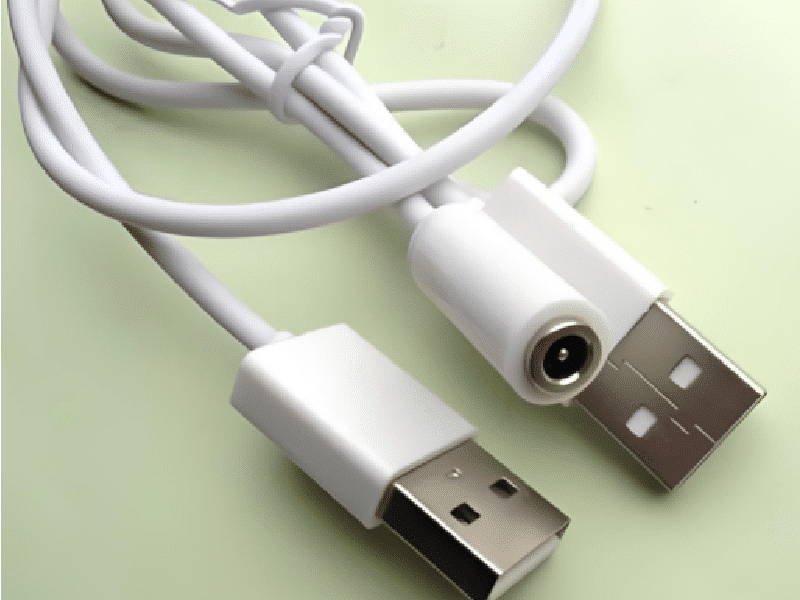

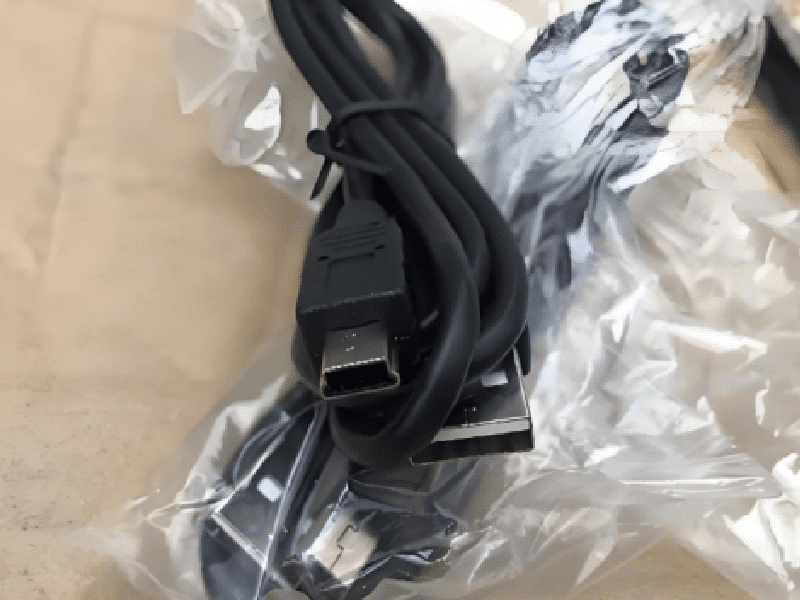

Adaptado a tus necesidades y a la compatibilidad del servidor, incluyendo materiales, dimensiones y especificaciones personalizadas para garantizar un rendimiento fiable.

Un estricto control de calidad desde las materias primas hasta la producción, lo que garantiza el cumplimiento de las normas internacionales y la fiabilidad constante de los productos.

Plazos de entrega y modalidades de envío flexibles, incluyendo envíos por lotes o entregas puntuales, lo que garantiza el cumplimiento puntual según los requisitos de su proyecto.
| Tipo de cable | Características básicas del proceso | Ventajas | Desventajas |
|---|---|---|---|
| Cable USB 2.0 económico | Conductor de aluminio revestido de cobre con aislamiento de una sola capa, blindaje mínimo o nulo, cubierta exterior de PVC, recubrimiento delgado y sin chip E-Marker, que ofrece una solución económica para aplicaciones básicas de carga y transmisión de datos a baja velocidad. | Menor costo, ideal para aplicaciones de carga básica y transmisión de datos a baja velocidad. | Una alta resistencia puede provocar una carga lenta y la acumulación de calor; la falta de blindaje hace que las señales sean susceptibles a las interferencias; la cubierta exterior es frágil y propensa a sufrir daños; la funcionalidad general es limitada. |
| Cable USB 3.0 estándar | Conductor de cobre libre de oxígeno con blindaje de doble capa (lámina de aluminio + trenza de cobre) y un conector reforzado moldeado por inyección, que ofrece baja resistencia, transmisión estable de la señal y mayor durabilidad. | Transmisión de datos rápida y estable, con gran resistencia a las interferencias electromagnéticas y mayor durabilidad para un uso a largo plazo. | El cable es más grueso y menos flexible debido al blindaje, lo que se traduce en un mayor costo, y puede que no sea necesario para dispositivos antiguos o de baja velocidad. |
| Cable de datos/carga rápida Type-C de alta calidad | Cobre libre de oxígeno de gran diámetro para una baja resistencia, con blindaje de primera calidad, chip E-Marker, cubierta exterior de TPE o trenzada, y un recubrimiento de oro de gran espesor, lo que garantiza un alto suministro de potencia, una transmisión estable a alta velocidad y una mayor durabilidad. | Admite carga rápida de alta potencia con identificación mediante el chip E-Marker, y ofrece una construcción suave pero resistente, así como un contacto confiable y estable. | Para garantizar un funcionamiento adecuado, es necesario tener en cuenta el mayor costo y la compatibilidad con los protocolos de los dispositivos (por ejemplo, PD, QC). |
| Función completa/Cable Thunderbolt Tipo-C | Conductores multihilo de gran complejidad con blindaje avanzado, marcadores electrónicos de precisión o chips de protección, una cubierta exterior trenzada de alta resistencia y moldeado por inyección de precisión, lo que garantiza el máximo rendimiento, durabilidad y confiabilidad. | Funcionalidad todo en uno —datos, video y carga en un solo cable— que ofrece un rendimiento de primer nivel, una durabilidad excepcional y una confiabilidad certificada. | Mayor costo y estructura de cable más gruesa; aunque es compatible con versiones anteriores, es posible que no ofrezca todas las funciones en dispositivos más antiguos. |
Cumple con IPC/WHMA-A-620 normas, lo que garantiza un rendimiento fiable en cada mazo de cables y conjunto de cables.







No. Cables USB se usan para conectar dispositivos, transferir datos y suministrar energía, mientras que un cargador (adaptador de corriente) suministra energía eléctrica.
Cables USB, como USB-A, USB-B, USB-C y Micro-USB—se utilizan ampliamente para conectividad de dispositivos, sincronización de datos y carga, pero requieren un fuente de alimentación (cargador o puerto) para proporcionar energía.
Se pueden distinguir por forma, orientación y rendimiento:
El USB-C ofrece una transferencia de datos más rápida, mayor capacidad de potencia y mayor versatilidad, lo que lo convierte en el estándar para los dispositivos más nuevos.
Puedes identificar el cable USB correcto al forma del conector, interfaz del dispositivo y requisitos de rendimiento:
Elegir el tipo de conector adecuado para tu dispositivo y tener en cuenta velocidad de datos y necesidades de carga te ayudará a elegir el cable USB adecuado.
Sí. WIRES apoya tanto pedidos de producción a pequeña escala (prototipos) como a gran escala, lo que garantiza una fabricación flexible para satisfacer las distintas necesidades de los proyectos.
Con experiencia en la prestación de Más de 10 millones de conjuntos de cables, WIRES ofrece calidad constante y capacidad de producción confiable para cada pedido.
 English English
 Vietnamese
 Indonesian
 Arabic
 Spanish


