



The core physical specifications of this wire are: approximately 0.162 inches (4.115 mm) in diameter, approximately 13.3 mm² in cross-sectional area, with a copper conductor resistance of approximately 0.395 Ω/1000 ft and an aluminum conductor resistance of approximately 0.628 Ω/1000 ft .
In the construction industry, 6 AWG wires are mainly classified into the following types based on their insulation materials:
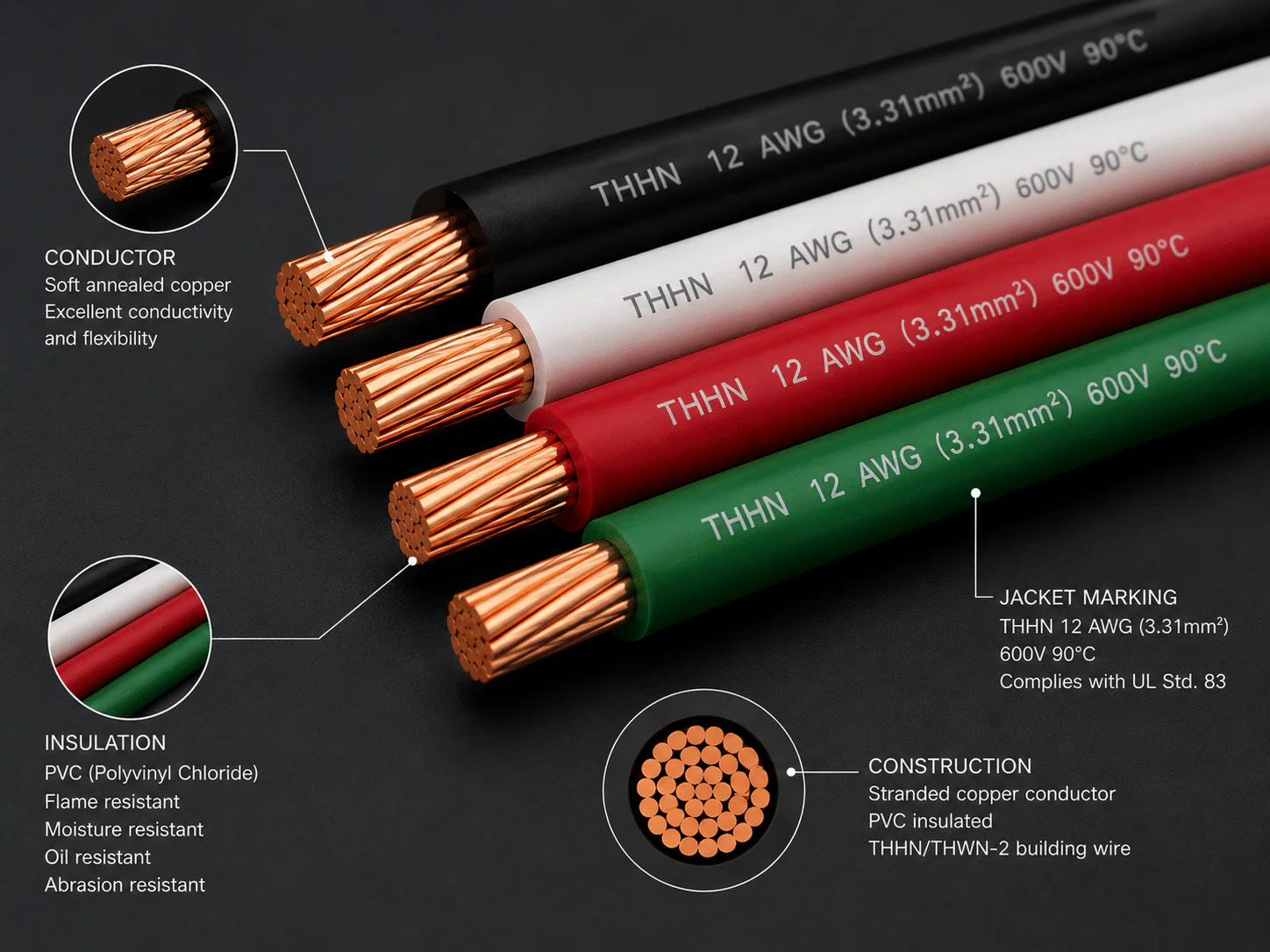
1. THHN /THWN-2 (Thermoplastic High Heat-Resistant Nylon Sheathed Wire): Suitable for 600V voltage level applications. THHN has high heat resistance. THWN-2 is unaffected by the environment, but the conductor temperature should not exceed 90°C.
2. XHHW-2 (Cross-Linked Polyethylene High Heat-Resistant Waterproof Wire): Uses cross-linked polyethylene (XLPE) insulation, which has excellent heat resistance and chemical corrosion resistance.
3. NM-B, often called Romex: Primarily used in residential wiring as branch circuits for sockets, switches, and other loads. Suitable for dry-type environments. The overall current carrying capacity of the cable is limited to a temperature rating of 60°C.
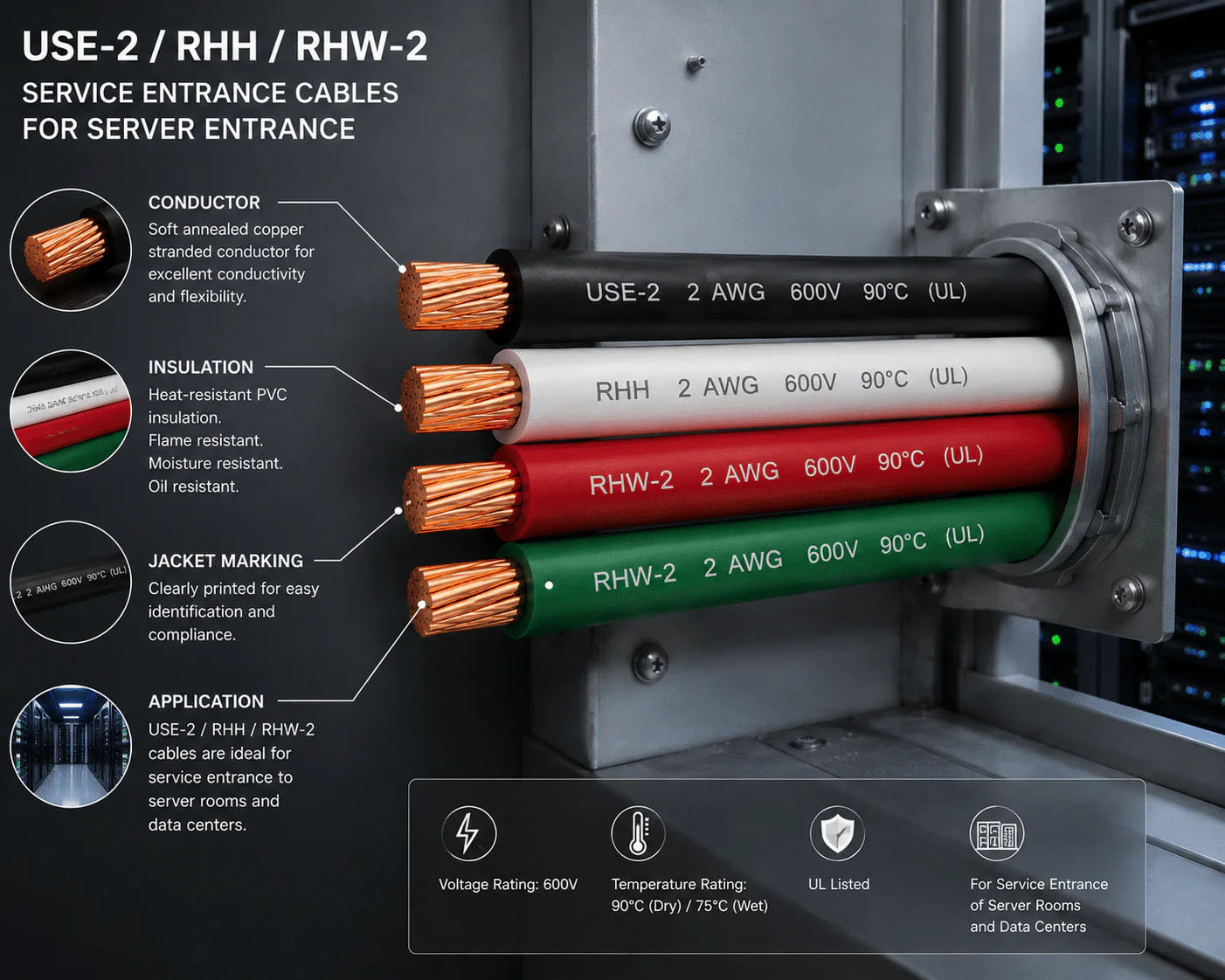
4. USE-2/RHH/RHW-2: Commonly used for server access points.
5. SER (Server Ingress Cable): Commonly used in multi-family residential buildings.
6 AWG wire is a commonly used material in construction, boasting excellent load-bearing capacity. It can be used with both conventional medium-load equipment and high-power heavy-duty equipment:
Main power supply line: Suitable for residential buildings and small buildings, with a rated current carrying capacity of 50 to 60 amps. It provides a robust and durable foundation for power supply.
Secondary distribution lines:Used in conjunction with secondary distribution panels in residential and industrial areas, facilitating zoned power management and ensuring orderly circuit distribution.
HVAC equipment wiring: Specifically designed for large air conditioning and complete heating, cooling, and ventilation systems, offering strong power carrying capacity and ensuring long-term stable operation of equipment.
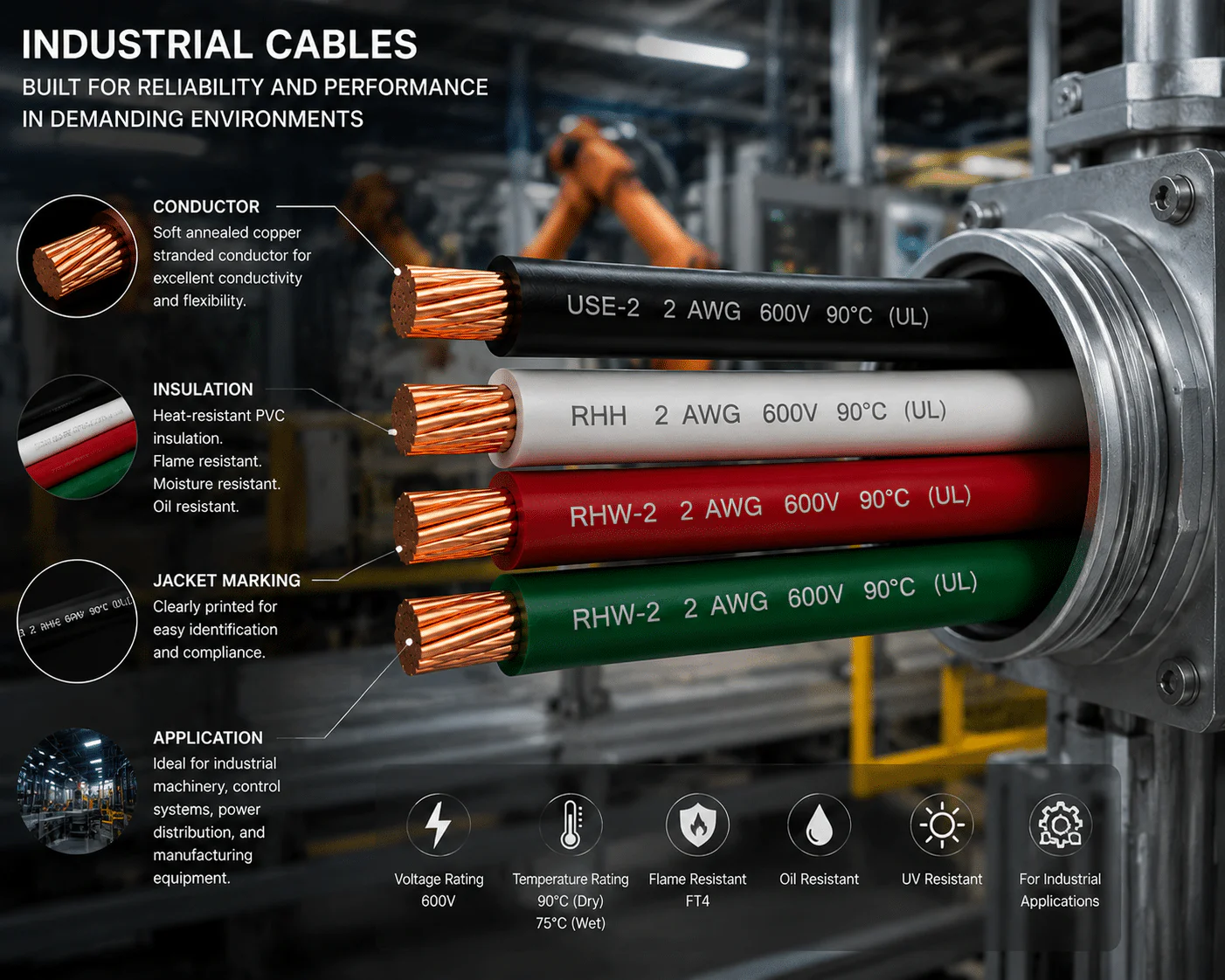
Industrial equipment wiring: Can connect to various commercial and industrial machinery such as motors, air compressors, and booster pumps, easily handling heavy-duty operating conditions.
Choosing the right 6 AWG cable requires comprehensive evaluation based on the following dimensions:
• Current carrying capacity combined with temperature rating, based on the minimum temperature rating of the cable and terminals;
• Prioritize copper core conductors, as they offer good conductivity, high strength, and suitability for high-load conditions;
• Adjust the current carrying capacity according to NEC requirements based on site temperature and humidity, and cable laying method;
• For long-distance cabling, voltage drop must be calculated to ensure stable power supply;
• Products comply with NEC and local building standards, and installation by professionals ensures safety.
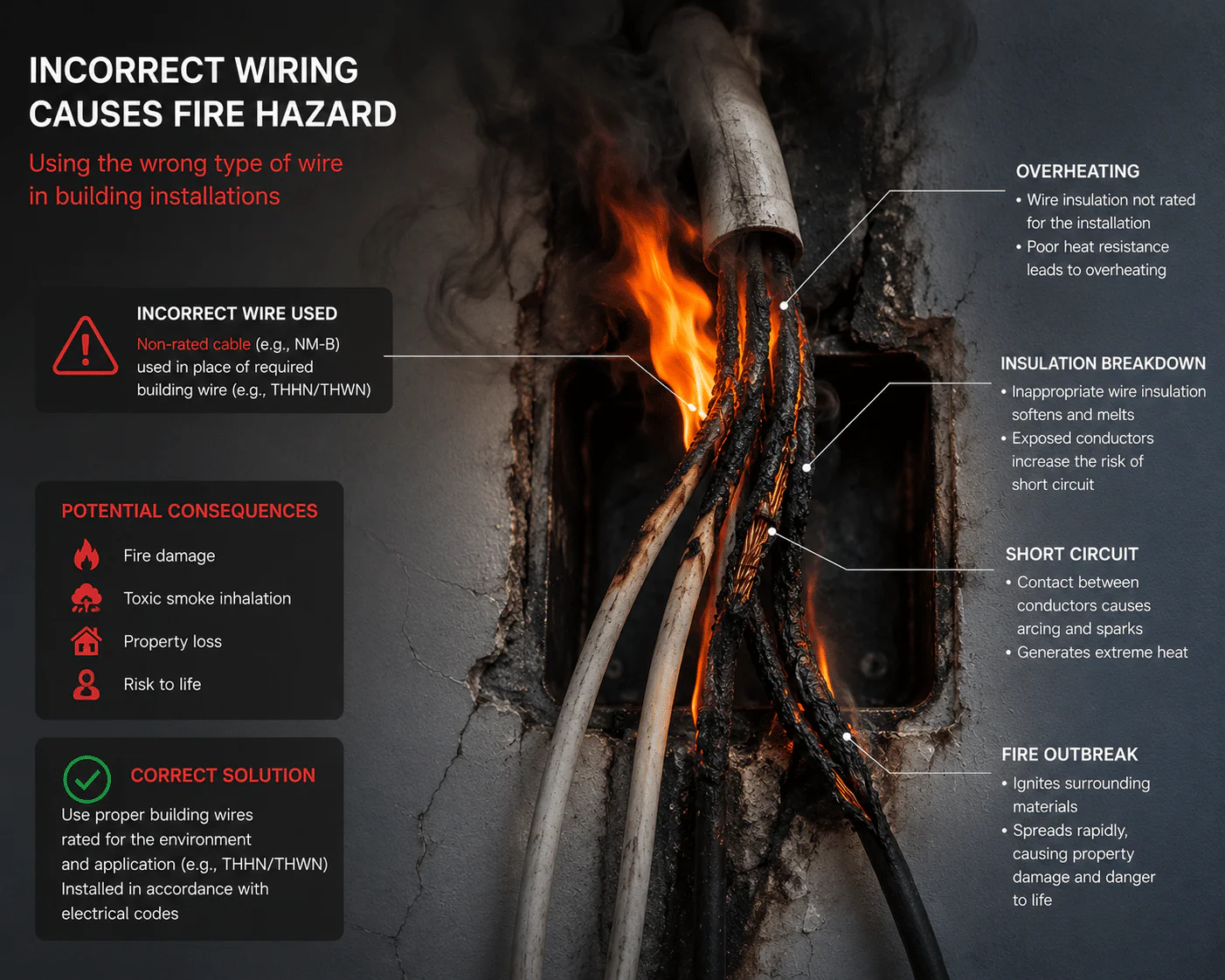
Improper selection can create numerous safety and operational hazards when using 6 AWG cables:
1. Fire Hazard: If the cable’s current-carrying capacity cannot match the actual load, prolonged overload operation will cause the insulation layer to age, soften, and even melt rapidly, easily igniting surrounding items and causing a fire.
2. Abnormal Voltage, Equipment Damage: Inadequate cable planning over long distances, resulting in voltage drops exceeding the reasonable range of 3%–5%, can lead to dim lighting, unstable equipment operation, and significantly shorten the lifespan of electrical appliances.
3. Frequent Connection Failures: Aluminum wire connections must be made with dedicated terminals and anti-oxidation materials. Improper selection of wiring accessories and installation methods can easily cause oxidation and overheating at the connection points, leading to terminal burnout or, in severe cases, fires.
6 AWG (American Standard) wiring is a core component in building electrical systems, handling medium-load conditions. Choosing the right specifications, material, and model directly impacts the safety, stability, and long-term reliability of the building’s electrical system. It also helps projects control overall costs and avoid unnecessary waste.
DÂY, with over 20 years of experience in the cable and harness industry, possesses in-depth knowledge of the actual working conditions and selection standards for various building electrical projects. Leveraging our professional technical team, comprehensive quality control system, and extensive project experience, we can precisely match the most suitable 6 AWG wiring solution based on your project scenario, load requirements, and installation environment. This helps us avoid safety hazards and cost losses caused by incorrect selection from the outset, fully supporting the smooth implementation and rapid progress of your project.
Enjoy a free sample worth up to $100!
Explore our custom services now. Leave your email, and we'll get intouch!
 English English
 Vietnamese
 Indonesian
 Arabic
 Spanish


