



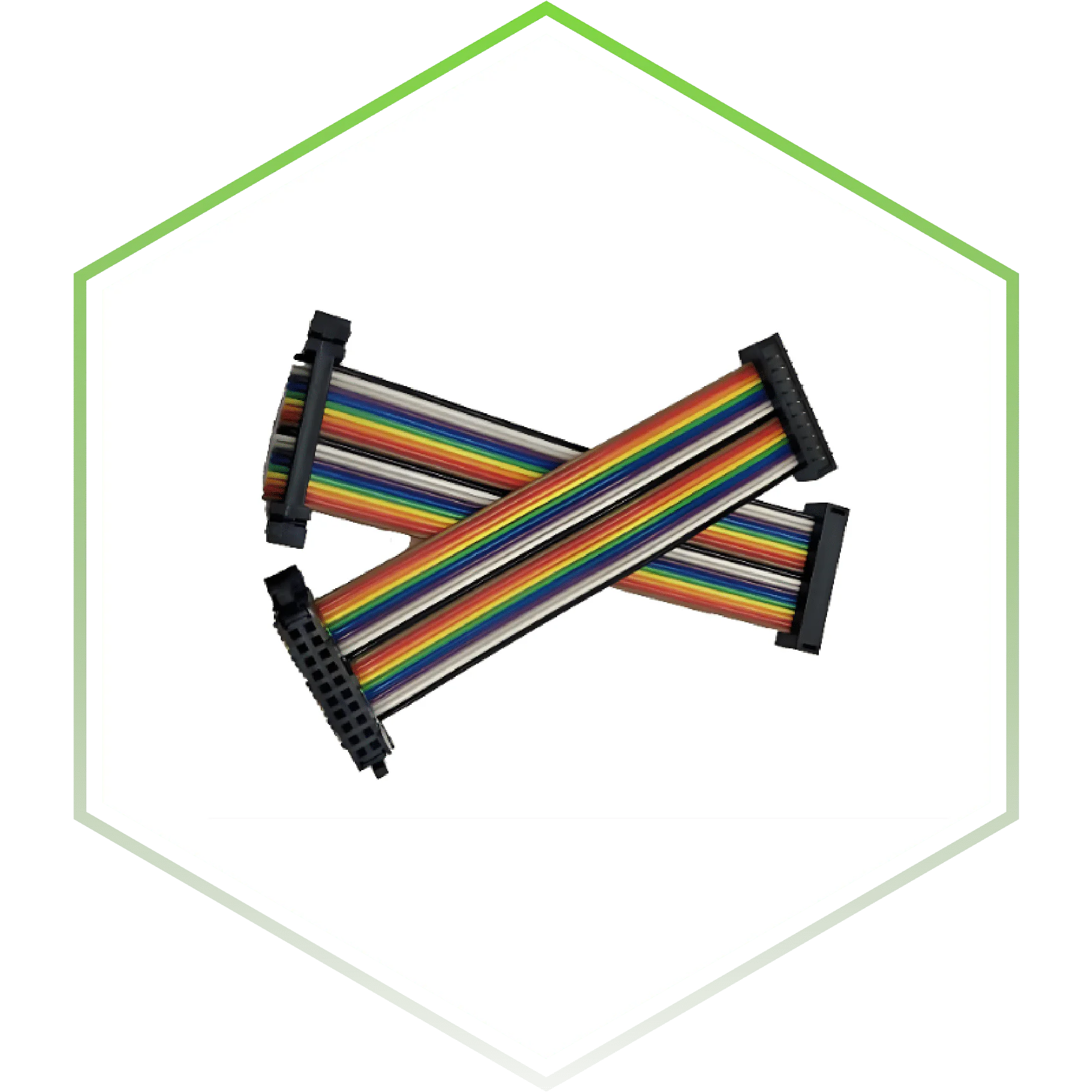
Robotic cable harnesses are engineered for high-frequency, repetitive motion, ensuring stable power delivery, signal integrity, and reliable data transmission. Designed for flexibility and durability, they enhance efficiency, safety, and performance across industrial automation, medical, and aerospace applications.

High-quality cable assemblies ensure stable power and signal transmission, reducing downtime and improving production efficiency.
Engineered for high-frequency motion and harsh environments, these assemblies deliver long-term, stable performance.
Flexible options include custom lengths, shielding, twisted pairs, terminals, and connectors for seamless system integration.
Durable, high-performance designs minimize maintenance and labor costs over time, maximizing long-term value.

WIRES provides tailored solutions to meet your specific requirements, including unique configurations, specialized connectors, and advanced shielding options.

With extensive experience in industrial automation, drones, and robotics, WIRES delivers proven solutions for complex applications.

WIRES uses premium materials and advanced manufacturing processes to deliver stable, reliable cable assembly performance.
WIRES provides comprehensive solutions tailored for marine environments, including:
Robotic cable harnesses are designed for frequent twisting and repetitive motion, requiring materials that support tight bending and dynamic performance:
We manufacture high-quality products, including fiber optic cables, and are certified to ISO 9001 and IATF 16949, ensuring consistent quality and reliability.
WIRES ensures precision and reliability through a comprehensive design and validation process:
Specifically designed to meet the unique operational modes and electrical requirements of robotic systems:
WIRES applies comprehensive testing methods to ensure consistent product quality:
Before mass production, WIRES provides prototyping services for design validation and real-world testing, ensuring the final product meets all performance and application requirements.
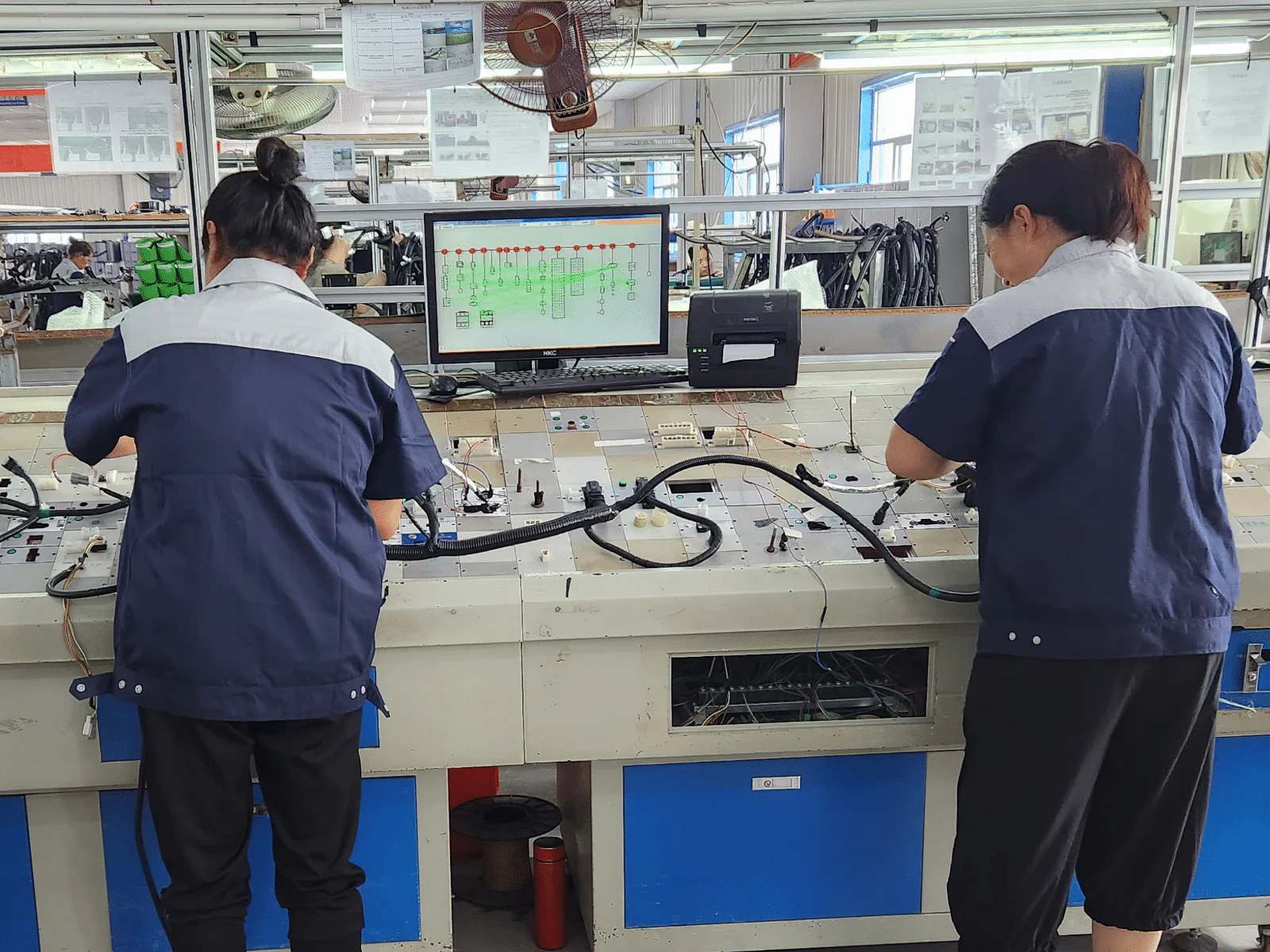
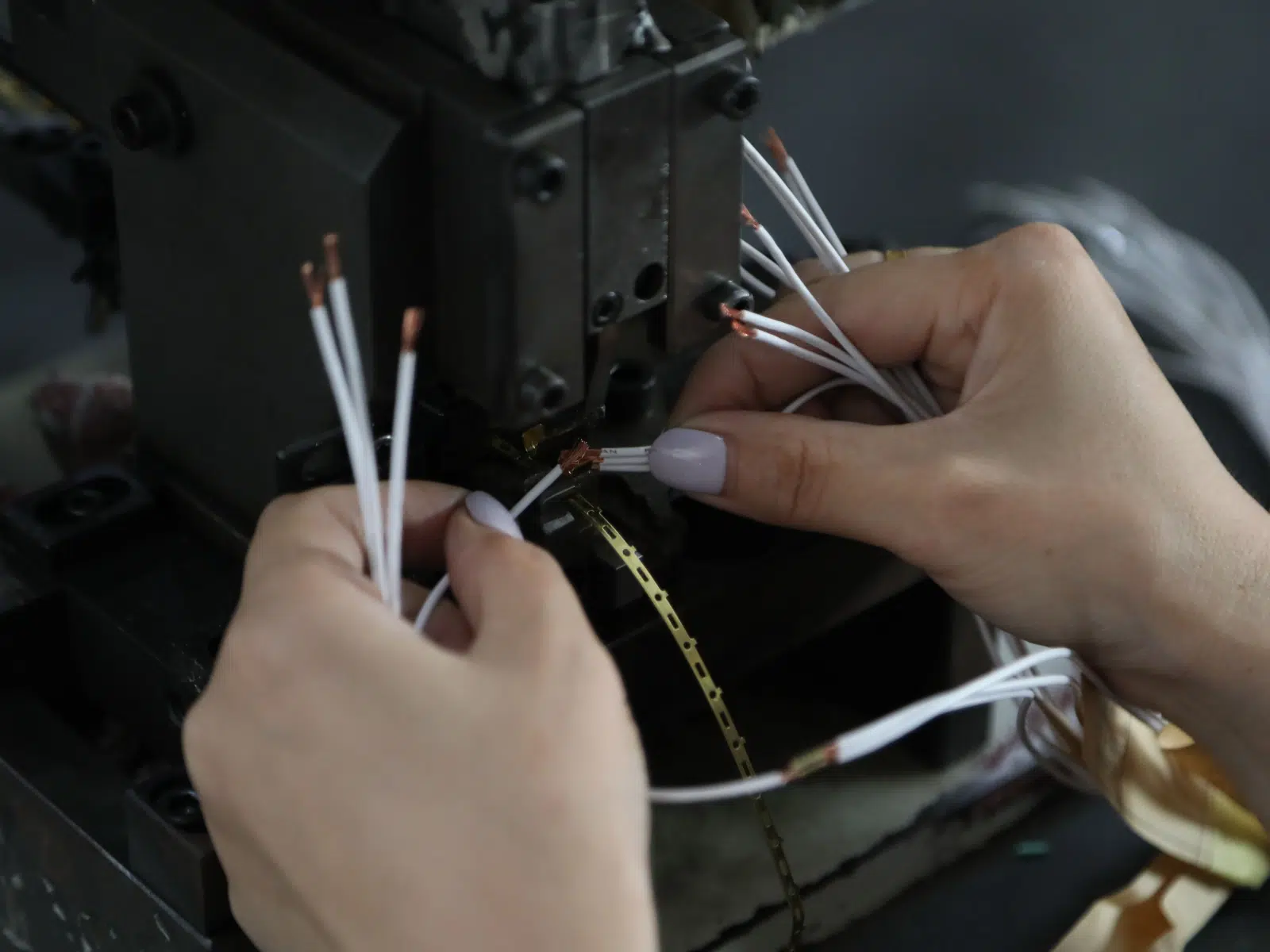
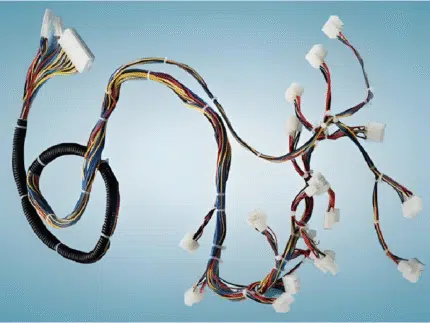
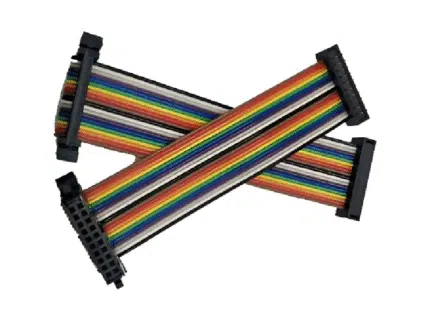
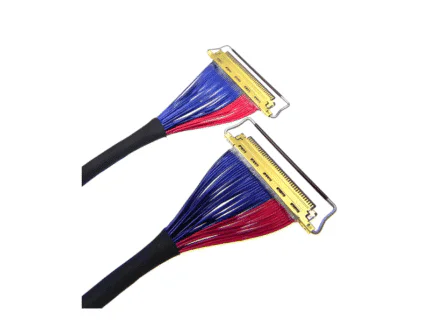
Compliant with IPC/WHMA-A-620 standards, ensuring reliable performance in every wire harness and cable assembly.






Yes, WIRES provides fully customized wiring harness solutions for non-standard robotic applications, including connectors, terminals, insulation, and shielding materials tailored to your specific requirements.
Yes. WIRES works closely with you at every stage—from initial consultation to prototyping—ensuring solutions align precisely with your requirements.
With 5,000+ flexible cable assemblies delivered to 100+ clients, we bring proven experience to every project.
Selecting the appropriate cable assembly requires evaluating key technical factors:
 English English
 Vietnamese
 Indonesian
 Arabic
 Spanish


