Automotive connectors guarantee vehicle signal integrity and operational stability. Their faults may cause sensor errors, function breakdowns and even serious safety risks. This paper analyzes connector failure causes, fixes and hazards, and offers guidance for quality selection.
Chapter 1: What Constitutes Automotive Connector Failure?
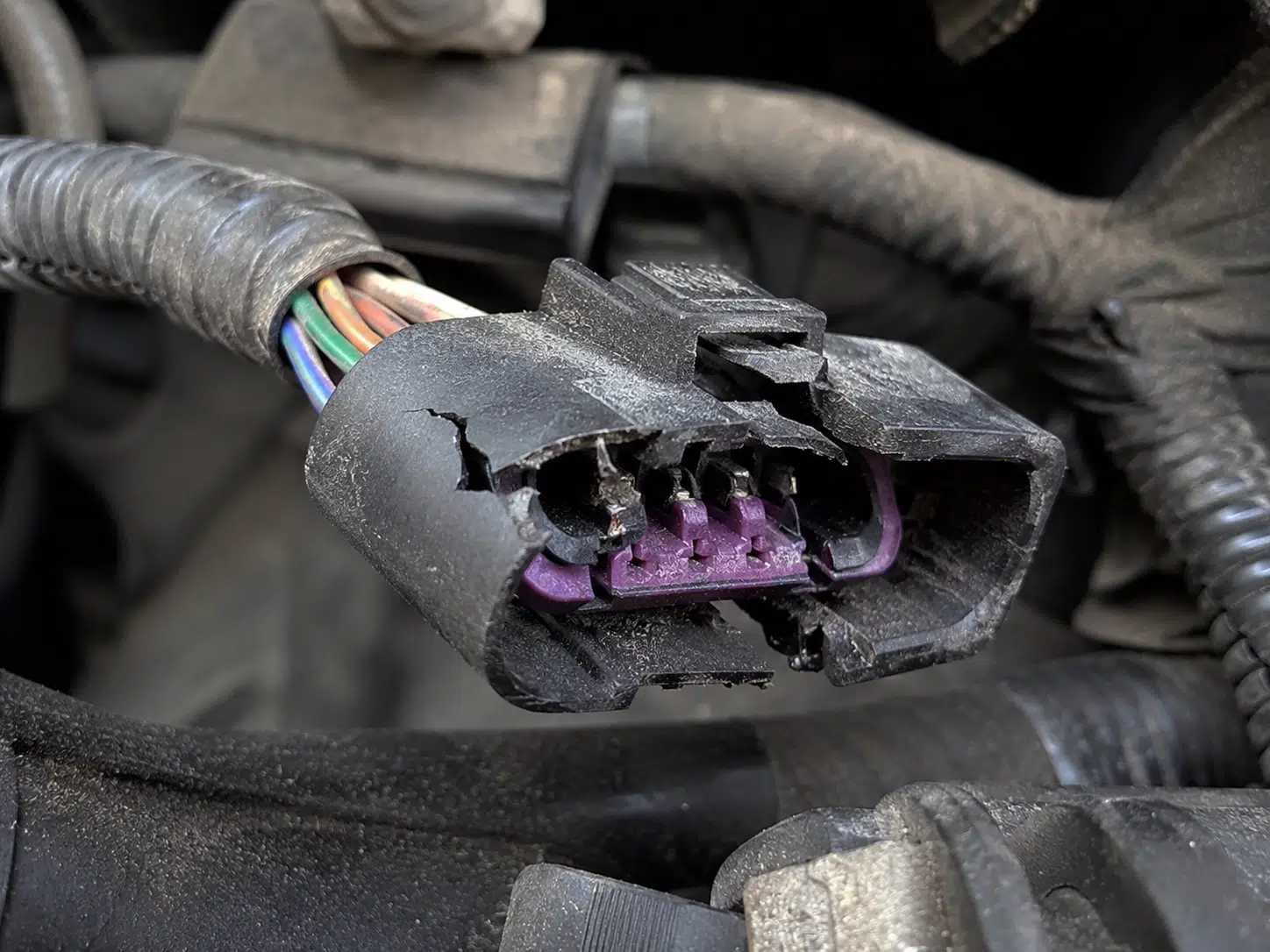
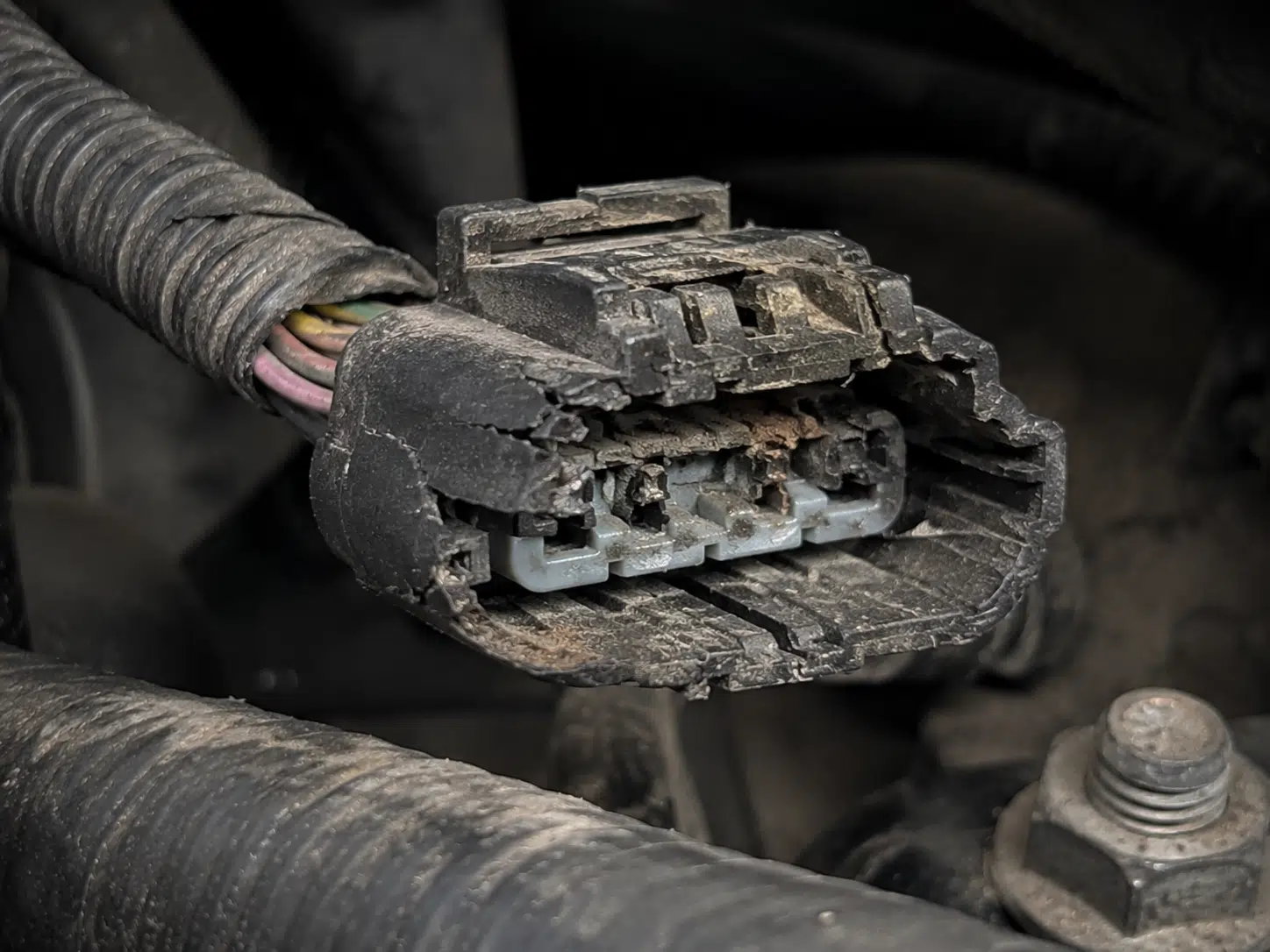
Automotive connector failure means damage or disconnection of housings, pins and locks, causing circuit breaks or poor contact. It impairs single functions and endangers vehicle electronic stability.

Understanding the failure itself necessitates exploring its underlying causes.
Chapter 2: Causes of Automotive Connector Failure
Connector failure typically stems from multiple contributing factors:
- Material Defects: Low-grade plastic and metal materials tend to develop fatigue cracks under frequent vibration and extreme weather.
- Excessive Mechanical Stress:Improper installation torque, incorrect plug operation and continuous vibration trigger stress concentration.
- Environmental Corrosion: Long-term exposure to heat, moisture and corrosive substances speeds up material deterioration.
- Poor Design:Weak structure, defective latches and incompatibility result in functional damage.
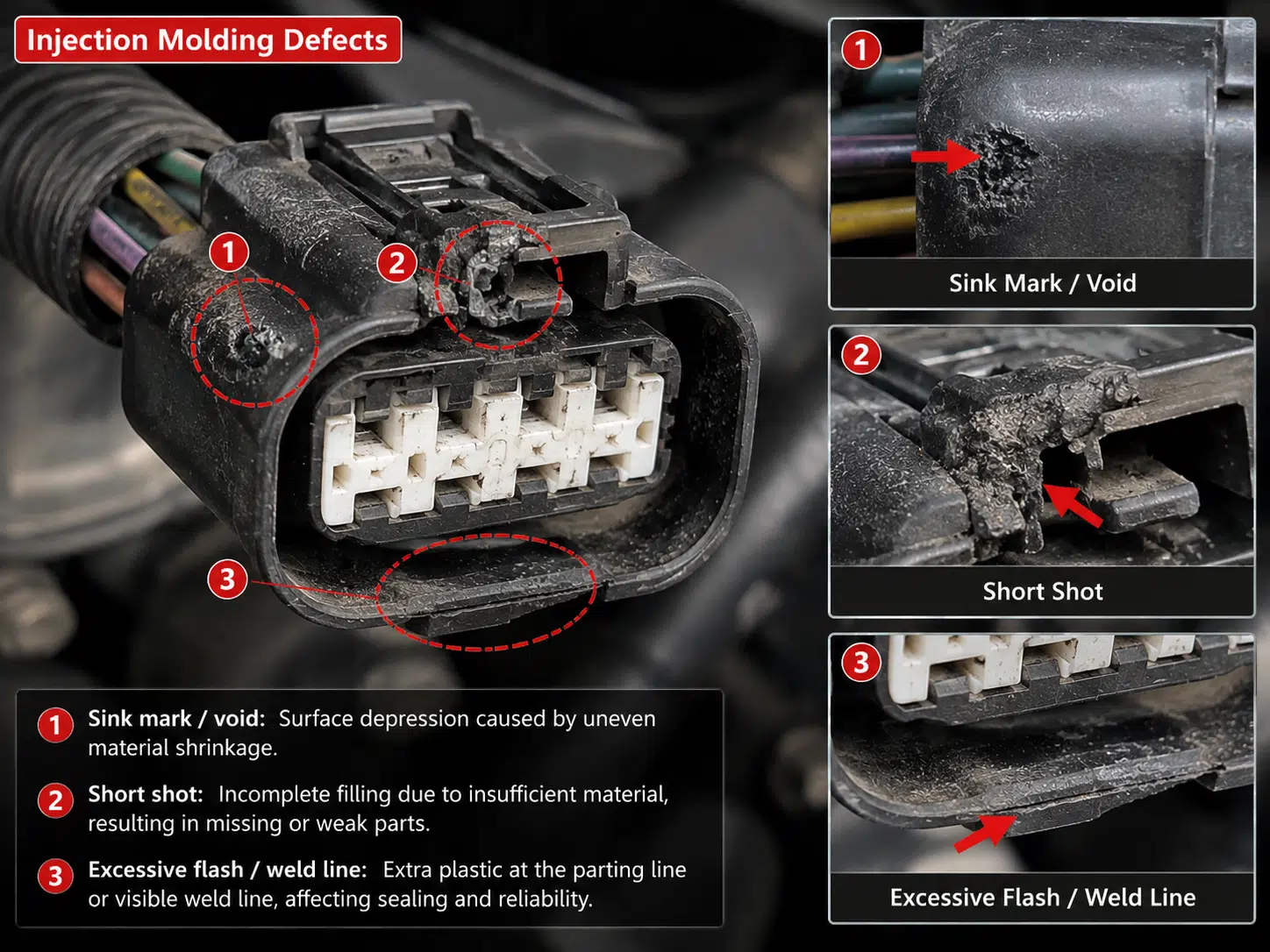
- Manufacturing process issues: Defective injection molding, improper metal heat treatment and other flaws bring hidden fracture hazards.
After pinpointing the causes, taking effective countermeasures is essential.
Chapter 3: How to Mitigate Automotive Connector Fracture Causes?
Select better materials: Use high-temperature and aging-proof engineering plastics (PBT, PA66 included) and corrosion resistant metal coatings.
- Enhanced Structural Design: Add reinforcing ribs and anti-release latches, and conduct simulation tests to check vibration resistance.
- Strict Process Control:Secure flawless molding and dependable terminal crimping, with 100% testing on mating and withdrawal force.
- Standardized Installation Procedures:Offer clear installation guidance to prevent over-bent wires and misaligned mating.
- Enhanced Environmental Protection: Adopt sealing rings and surface coatings for moisture and corrosion protection.
Any connector failure may lead to a series of potential risks.
Chapter 4: Dangers Caused by Automotive Connector Failure
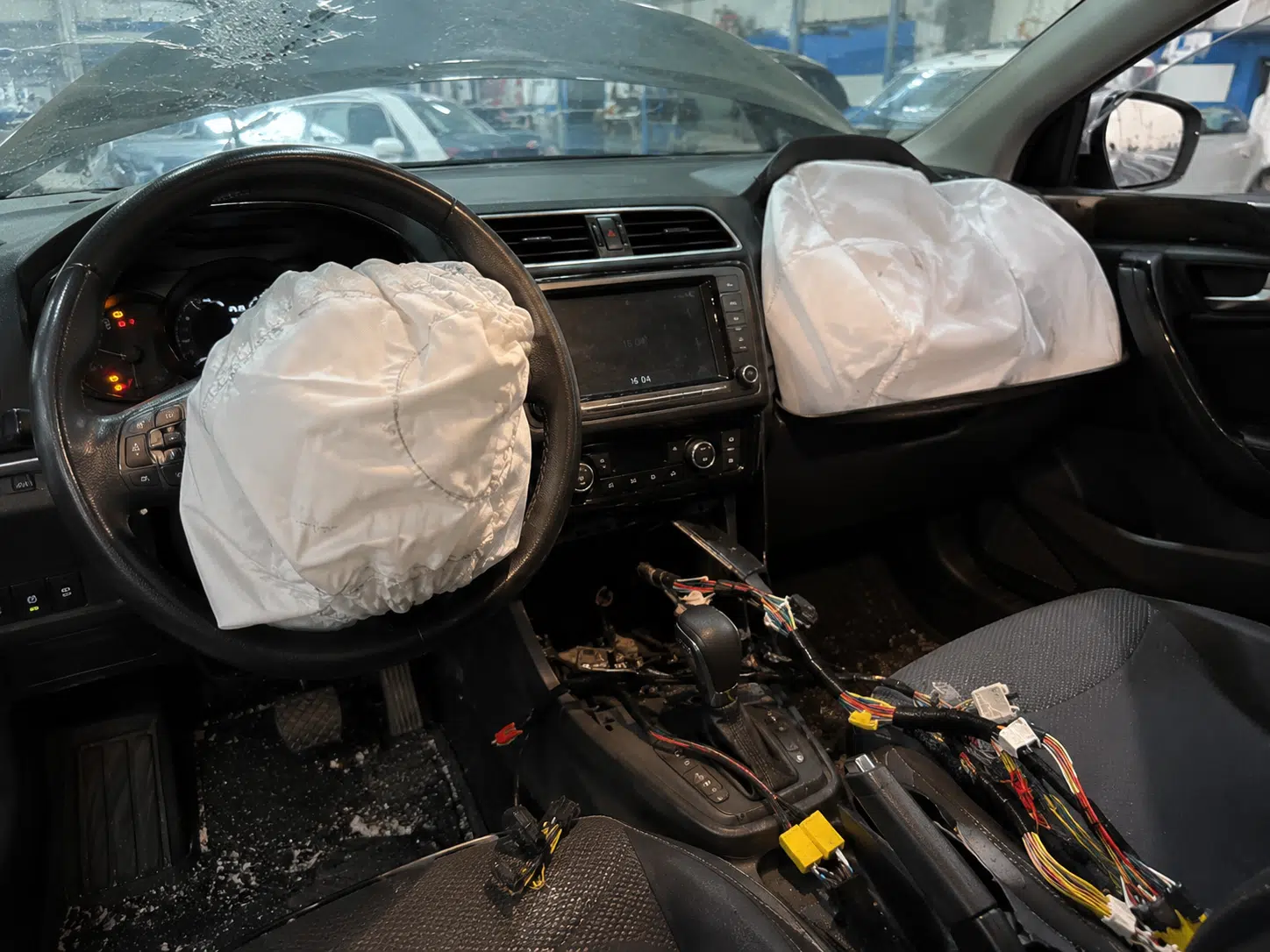
- Safety Risks:Malfunctions of airbags, ABS and brake aids will put passengers at immediate risk.
- Functional Failure:Issues with lights, sensors and multimedia functions will degrade the overall driving experience.
- High repair costs:Hard-to-locate faults usually require replacement of wiring harnesses or full modules.
- Damage to brand reputation:Persistent quality defects can lead to user grievances and vehicle recalls.
For this reason, it is vital to opt for high-grade connectors initially.
Chapter 5: How to Pick Reliable Automotive Connectors
- Certifications and Standards:Choose items certified to industry specifications like ISO 16750 and USCAR first.
- Material Validation: Require suppliers to submit material data sheets verifying heat resistance, flame retardance and mechanical performance.
- Structural Evaluation:Check the sturdiness of locking structures and ensure mating cycles comply with requirements (minimum 100 cycles).
- Environmental Adaptability: Check the IP protection grade(such as IP67 and above) as well as resistance to chemical corrosion.
- Supplier Qualifications: Select reputable brands with proven experience in vehicle integration and stringent process control.
- Testing Support: Request reliability test reports including vibration, thermal shock and salt spray assessments.
Chapter 6: Conclusion
Connector failure poses major risks across all stages. WIRES, a custom harness manufacturer, guarantees reliable products through cause analysis, preventive measures and strict procurement.




 English
 Vietnamese
 Indonesian
 Arabic
 Spanish


