

A wire harness is a foundational element of modern industrial technology. It provides organized cable management and protects electrical wires from long-term wear and tear.
However, its value is often overlooked due to a lack of understanding of its features and benefits.
This Wire Harness 101 guide directly explains the definition, various types, practical applications, and critical roles of a modern wire harness in today’s industrial sectors.
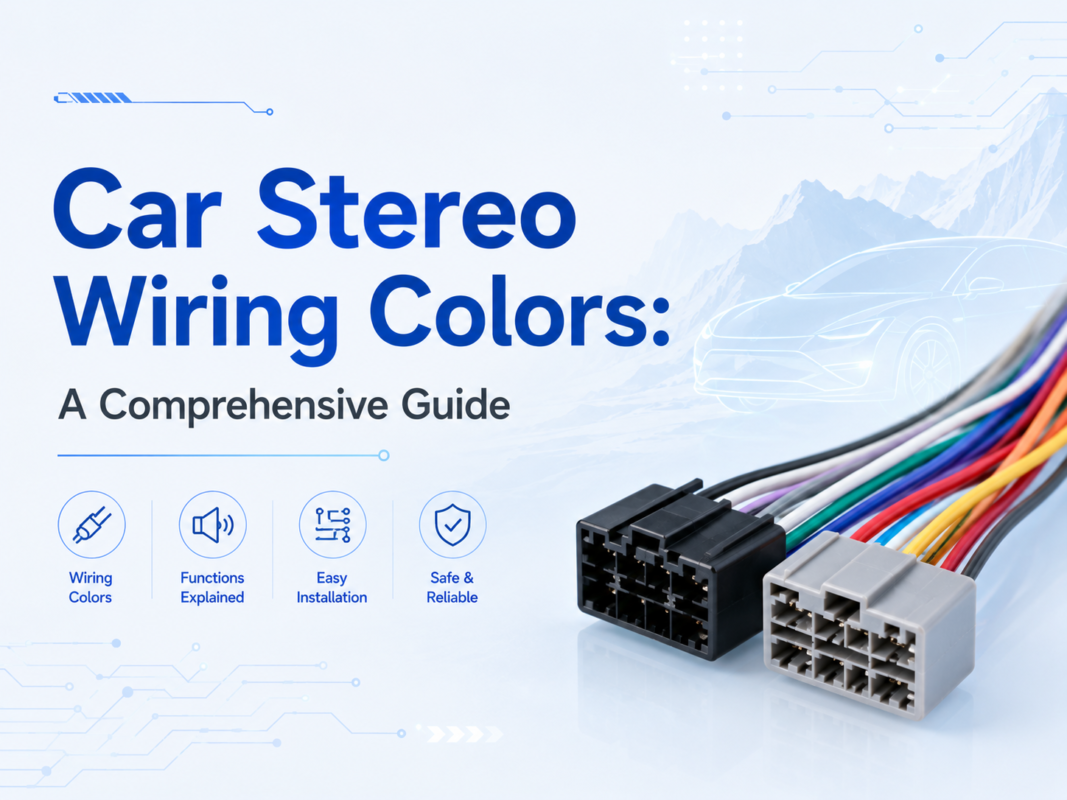
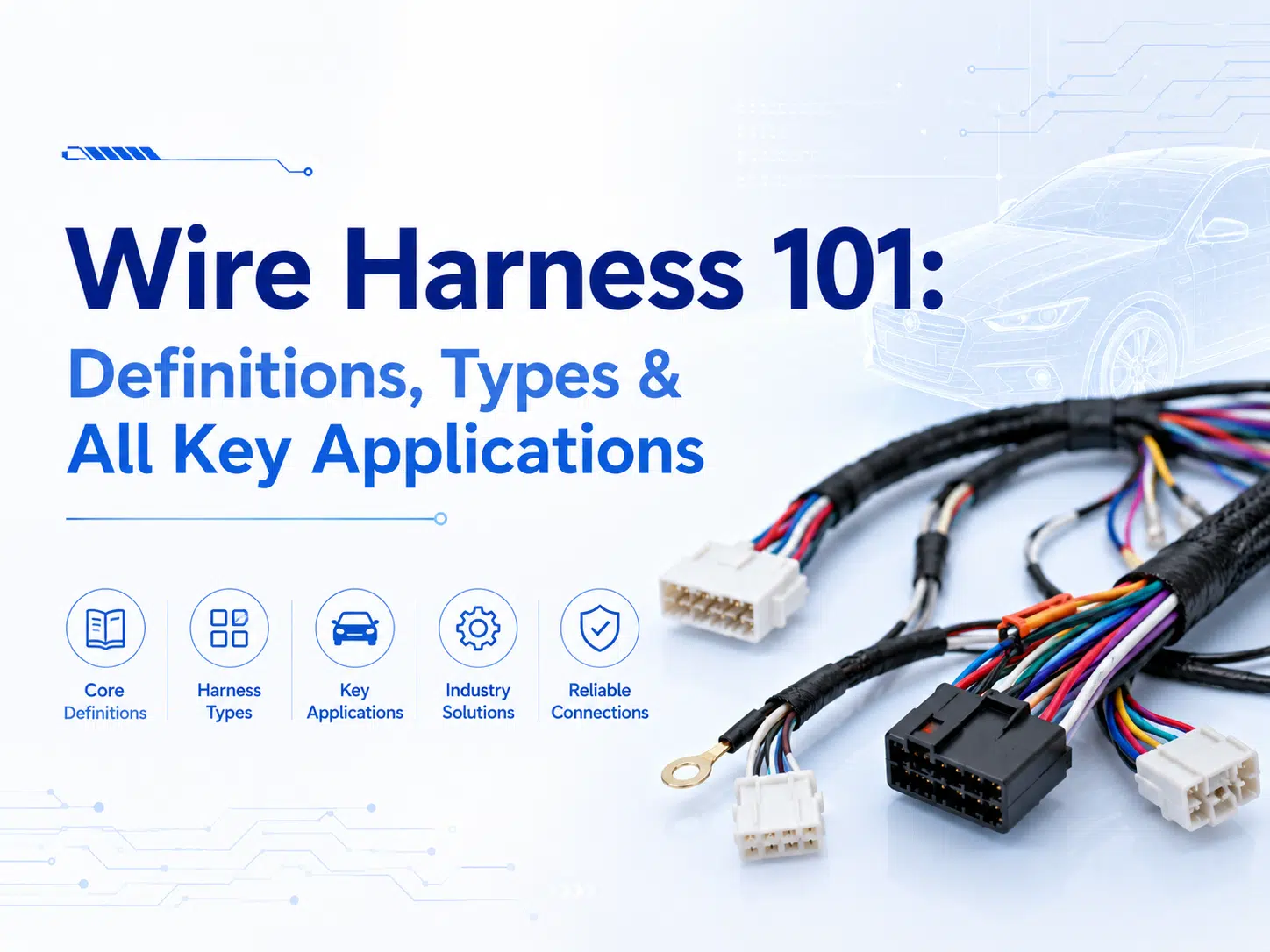
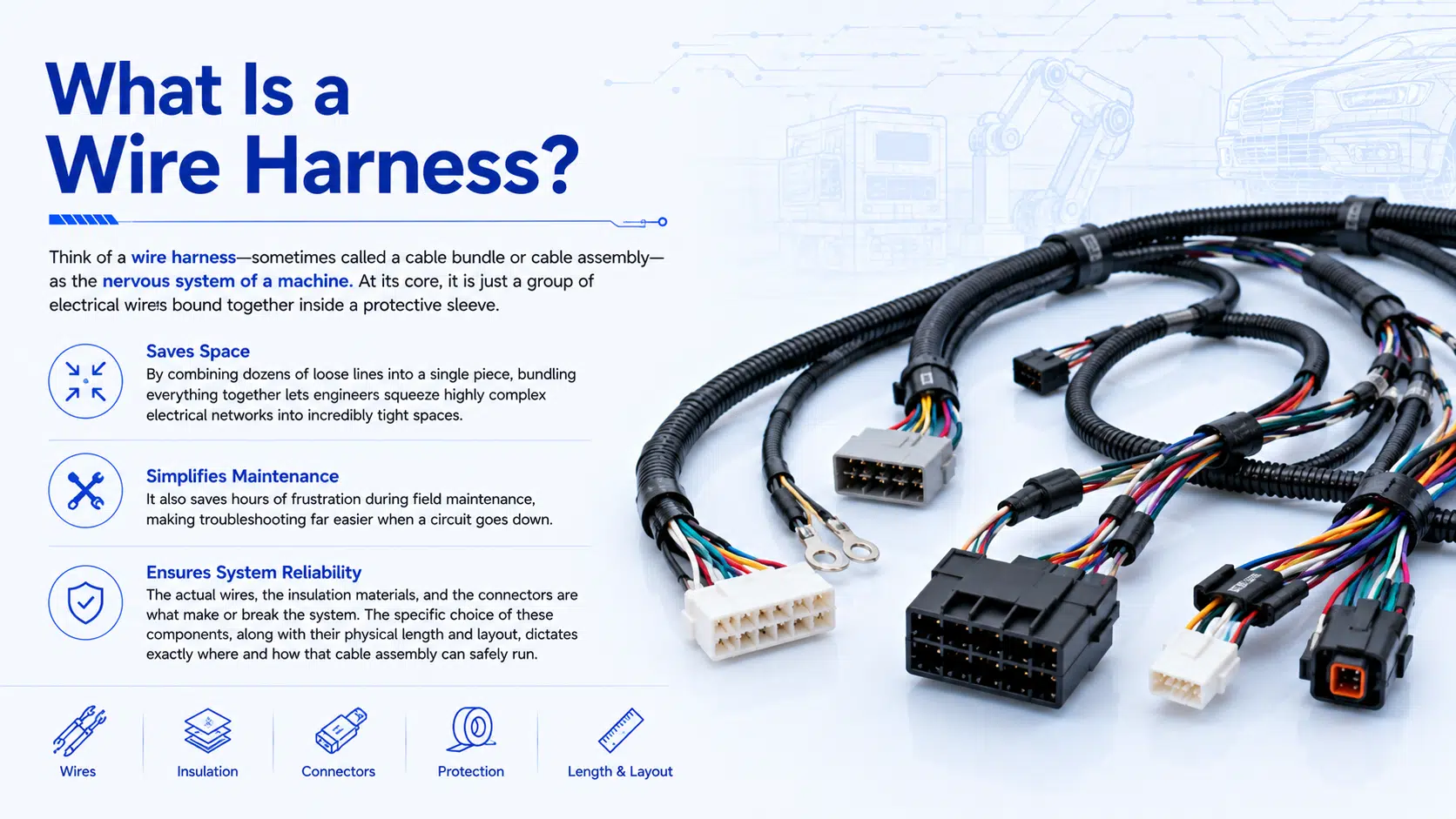
Think of a wire harness—sometimes called a cable bundle or cable assembly—as the nervous system of a machine. At its core, it is just a group of electrical wires bound together inside a protective sleeve.
But it does a lot more than just keep things looking neat. By combining dozens of loose lines into a single piece, bundling everything together lets engineers squeeze highly complex electrical networks into incredibly tight spaces. It also saves hours of frustration during field maintenance, making troubleshooting far easier when a circuit goes down.
A common mistake is thinking a harness is just the plastic wrap or the zip ties holding the lines together. In reality, the actual wires, the insulation materials, and the connectors are what make or break the system. The specific choice of these components, along with their physical length and layout, dictates exactly where and how that cable assembly can safely run.
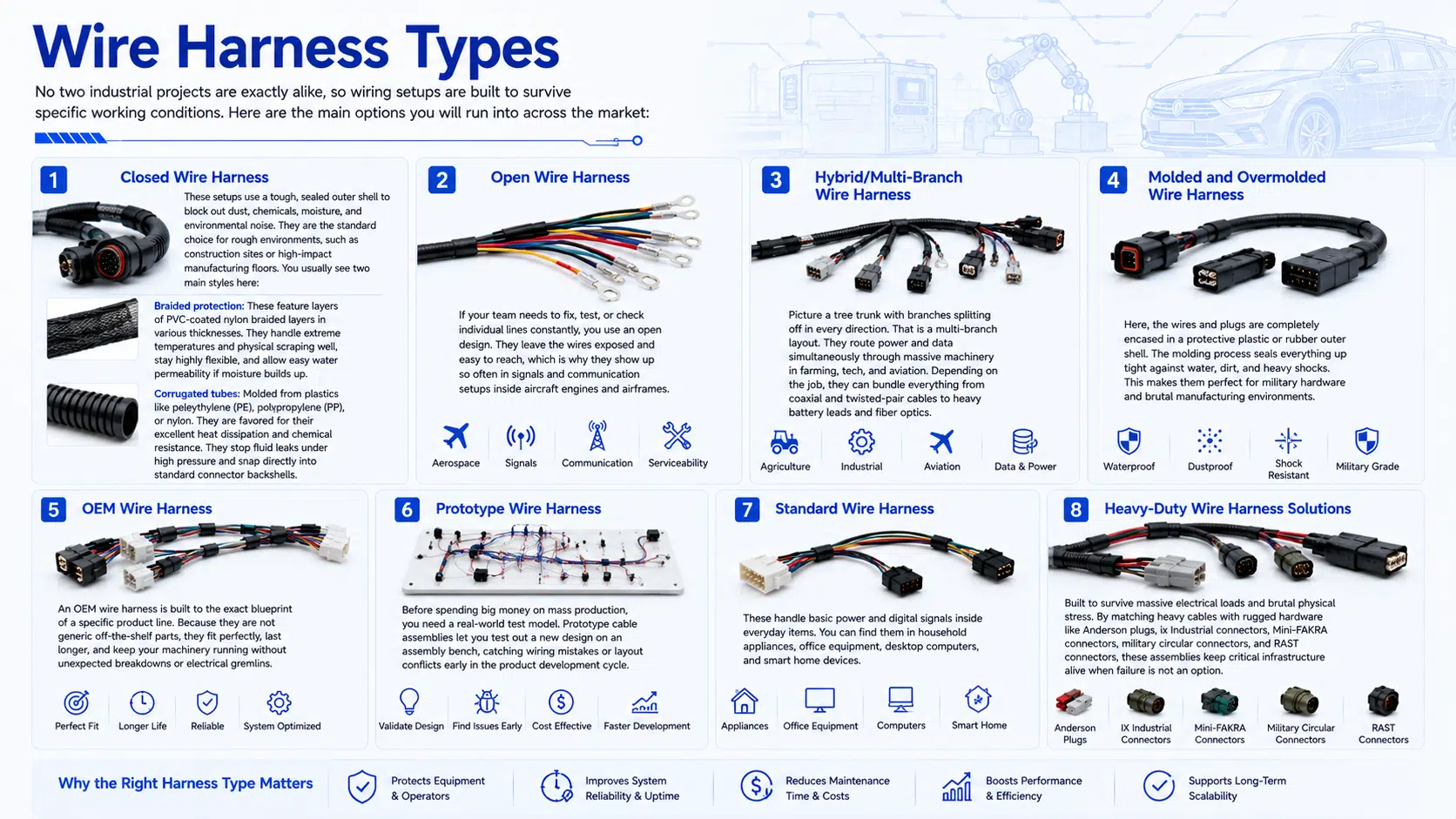
No two industrial projects are exactly alike, so wiring setups are built to survive specific working conditions. Here are the main options you will run into across the market:
These setups use a tough, sealed outer shell to block out dust, chemicals, moisture, and environmental noise. They are the standard choice for rough environments, such as construction sites or high-impact manufacturing floors. You usually see two main styles here:
Braided protection: These feature layers of PVC-coated nylon braided layers in various thicknesses. They handle extreme temperatures and physical scraping well, stay highly flexible, and allow easy water permeability if moisture builds up.
Corrugated tubes: Molded from plastics like polyethylene (PE), polypropylene (PP), or nylon. They are favored for their excellent heat dissipation and chemical resistance. They stop fluid leaks under high pressure and snap directly into standard connector backshells.
If your team needs to fix, test, or check individual lines constantly, you use an open design. They leave the wires exposed and easy to reach, which is why they show up so often in signals and communication setups inside aircraft engines and airframes.
Picture a tree trunk with branches splitting off in every direction. That is a multi-branch layout. They route power and data simultaneously through massive machinery in farming, tech, and aviation. Depending on the job, they can bundle everything from coaxial and twisted-pair cables to heavy battery leads and fiber optics.
Here, the wires and plugs are completely encased in a protective plastic or rubber outer shell. The molding process seals everything up tight against water, dirt, and heavy shocks. This makes them perfect for military hardware and brutal manufacturing environments.
An OEM wire harness is built to the exact blueprint of a specific product line. Because they are not generic off-the-shelf parts, they fit perfectly, last longer, and keep your machinery running without unexpected breakdowns or electrical gremlins.
Before spending big money on mass production, you need a real-world test model. Prototype cable assemblies let you test out a new design on an assembly bench, catching wiring mistakes or layout conflicts early in the product development cycle.
These handle basic power and digital signals inside everyday items. You can find them in household appliances, office equipment, desktop computers, and smart home devices.
Built to survive massive electrical loads and brutal physical stress. By matching heavy cables with rugged hardware like Anderson plugs, ix Industrial connectors, Mini-FAKRA connectors, military circular connectors, and RAST connectors, these assemblies keep critical infrastructure alive when failure is not an option.
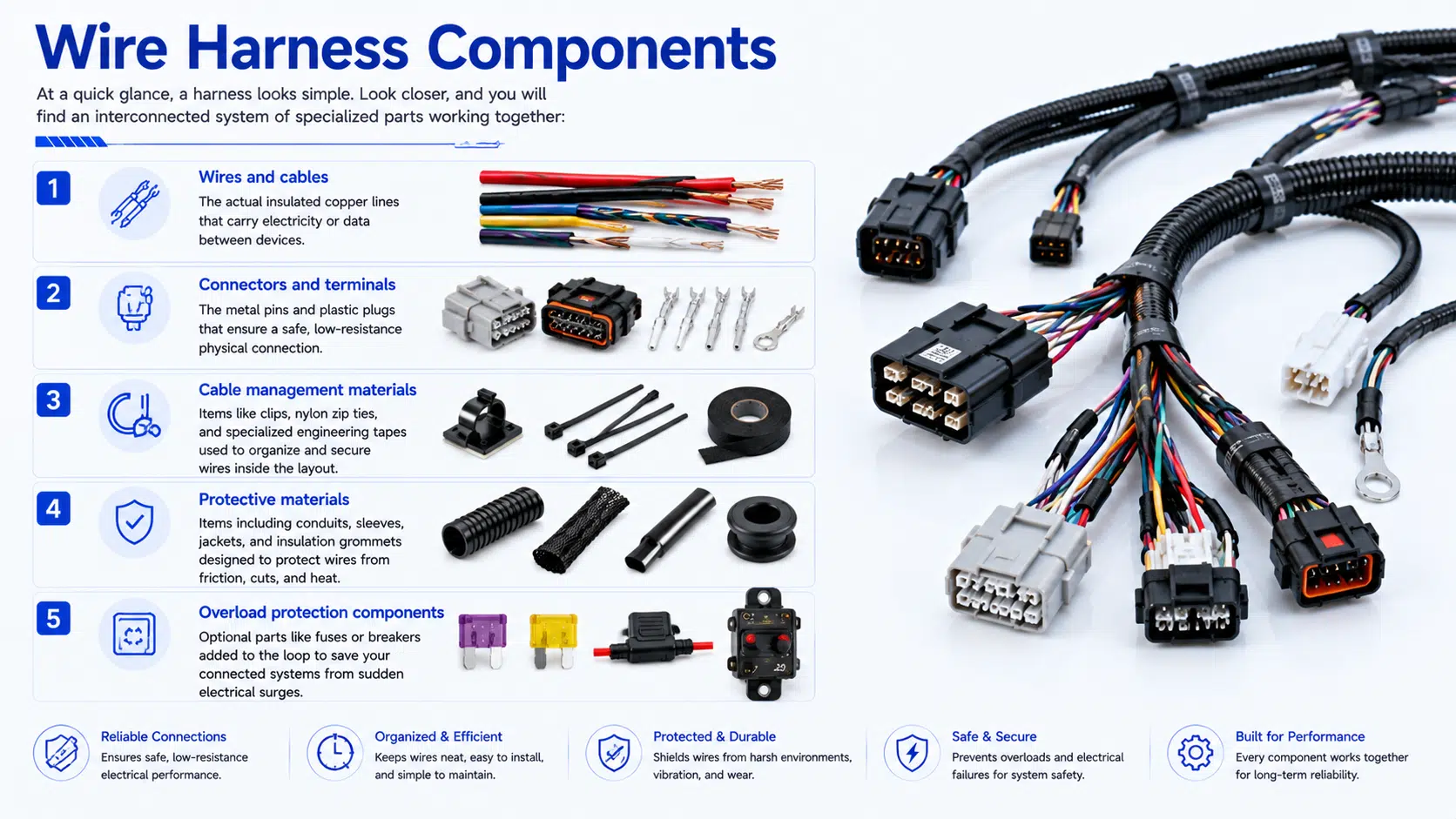
At a quick glance, a harness looks simple. Look closer, and you will find an interconnected system of specialized parts working together:
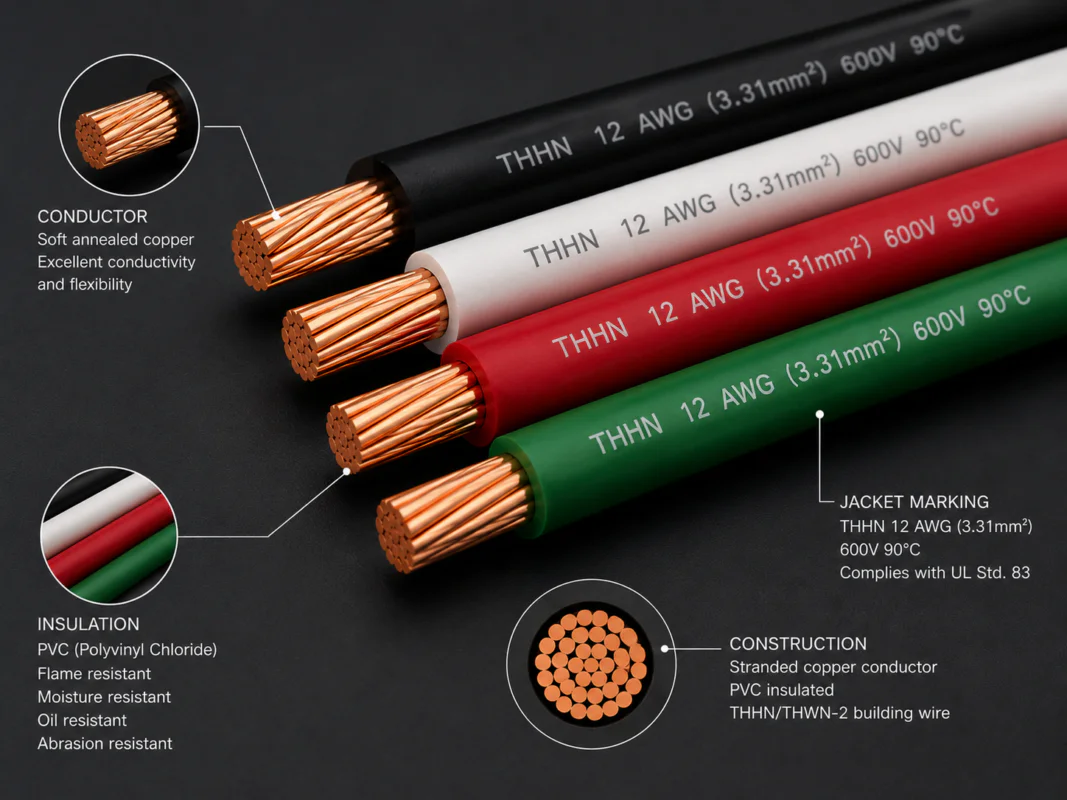
Wires and cables: The actual insulated copper lines that carry electricity or data between devices.
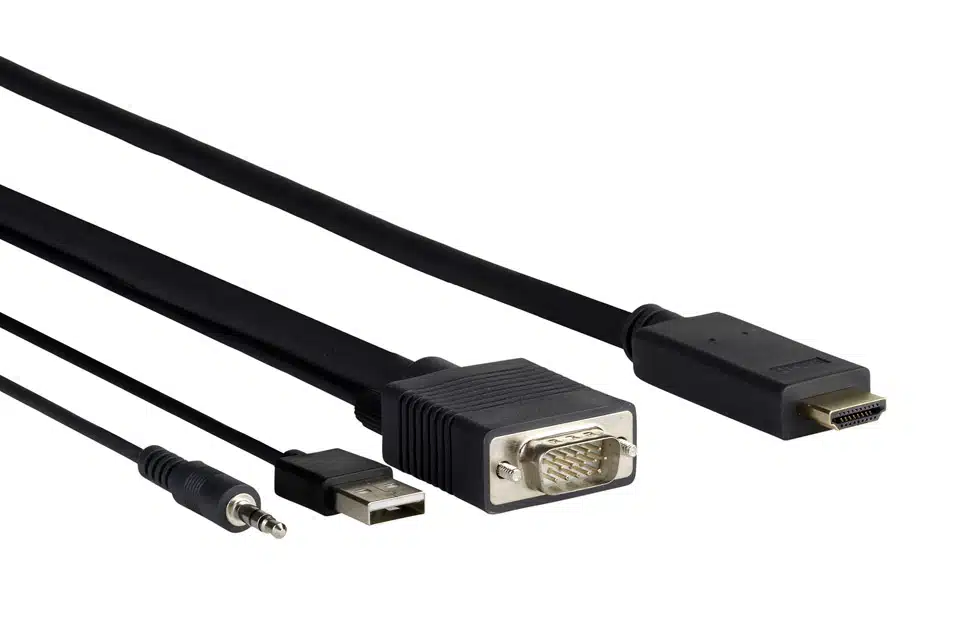
Connectors and terminals: The metal pins and plastic plugs that ensure a safe, low-resistance physical connection.
Cable management materials: Items like clips, nylon zip ties, and specialized engineering tapes used to organize and secure wires inside the layout.
Protective materials: Items including conduits, sleeves, jackets, and insulation grommets designed to protect wires from friction, cuts, and heat.
Overload protection components: Optional parts like fuses or breakers added to the loop to save your connected systems from sudden electrical surges.
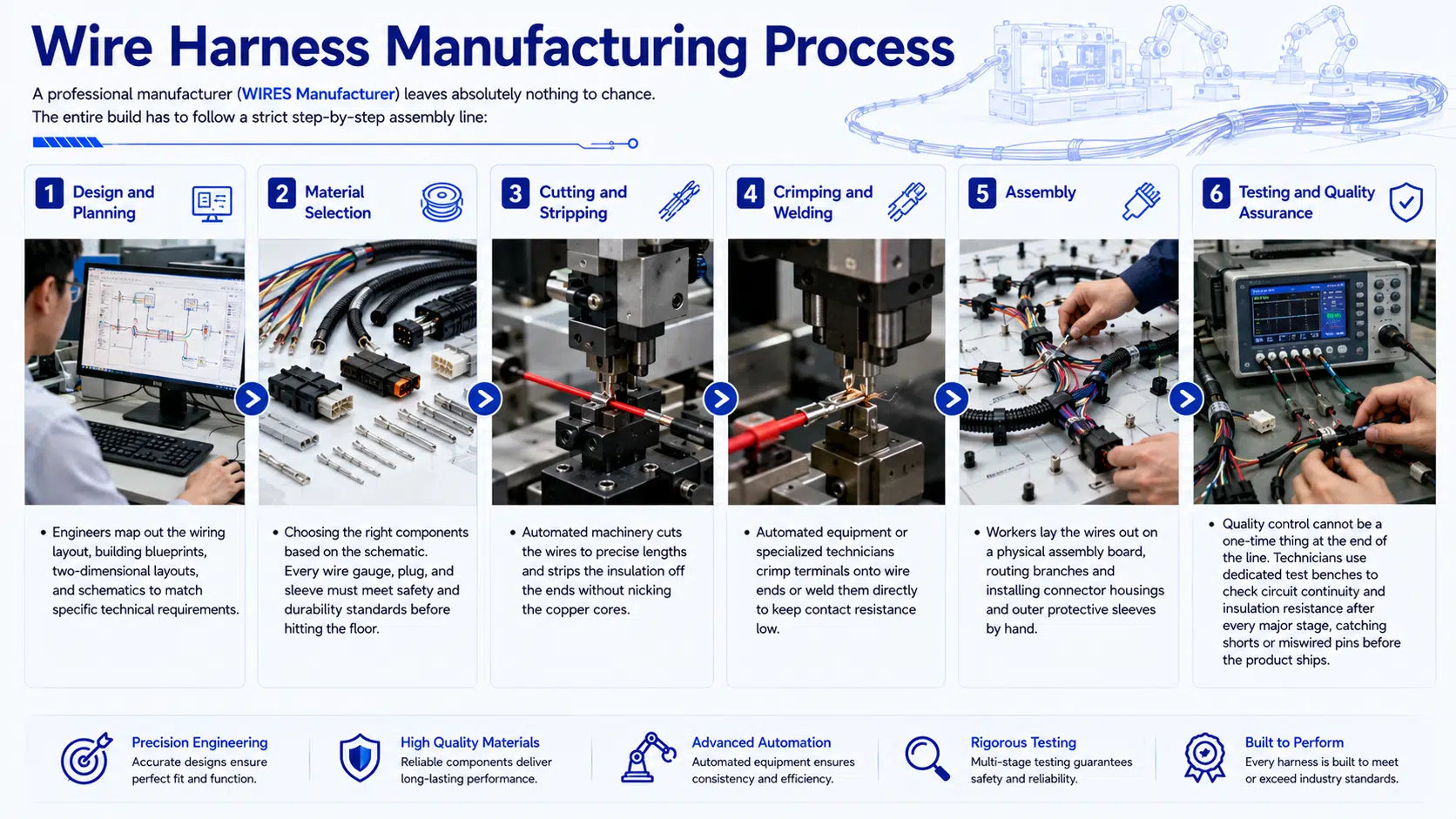
A professional manufacturer (WIRES Manufacturer) leaves absolutely nothing to chance. The entire build has to follow a strict step-by-step assembly line:
Design and Planning: Engineers map out the wiring layout, building blueprints, two-dimensional layouts, and schematics to match specific technical requirements.
Material Selection: Choosing the right components based on the schematic. Every wire gauge, plug, and sleeve must meet safety and durability standards before hitting the floor.
Cutting and Stripping: Automated machinery cuts the wires to precise lengths and strips the insulation off the ends without nicking the copper cores.
Crimping and Welding: Automated equipment or specialized technicians crimp terminals onto wire ends or weld them directly to keep contact resistance low.
Assembly: Workers lay the wires out on a physical assembly board, routing branches and installing connector housings and outer protective sleeves by hand.
Testing and Quality Assurance: Quality control cannot be a one-time thing at the end of the line. Technicians use dedicated test benches to check circuit continuity and insulation resistance after every major stage, catching shorts or miswired pins before the product ships.
You can find these custom electrical systems everywhere, from customized cars to highly specialized military gear:
Cars are basically computers on wheels today, driving up the demand for specialized automotive wire harnesses. They link all onboard electronics together. The engine wire harness is the most critical example—it has to connect sensors, fuel systems, and computers while surviving extreme heat, oil, and constant engine shaking.
Modern automation and smart factories depend heavily on robust wiring. An industrial wire harness is the backbone of robotic arms, assembly lines, and power grids, using thick, durable jackets to survive rough daily wear.
Space missions and satellite launches demand total reliability under wild pressure changes and temperature shifts. Even ground-based testing gear like integrating spheres, collimators, and spectrometers rely on specialized high-voltage setups.
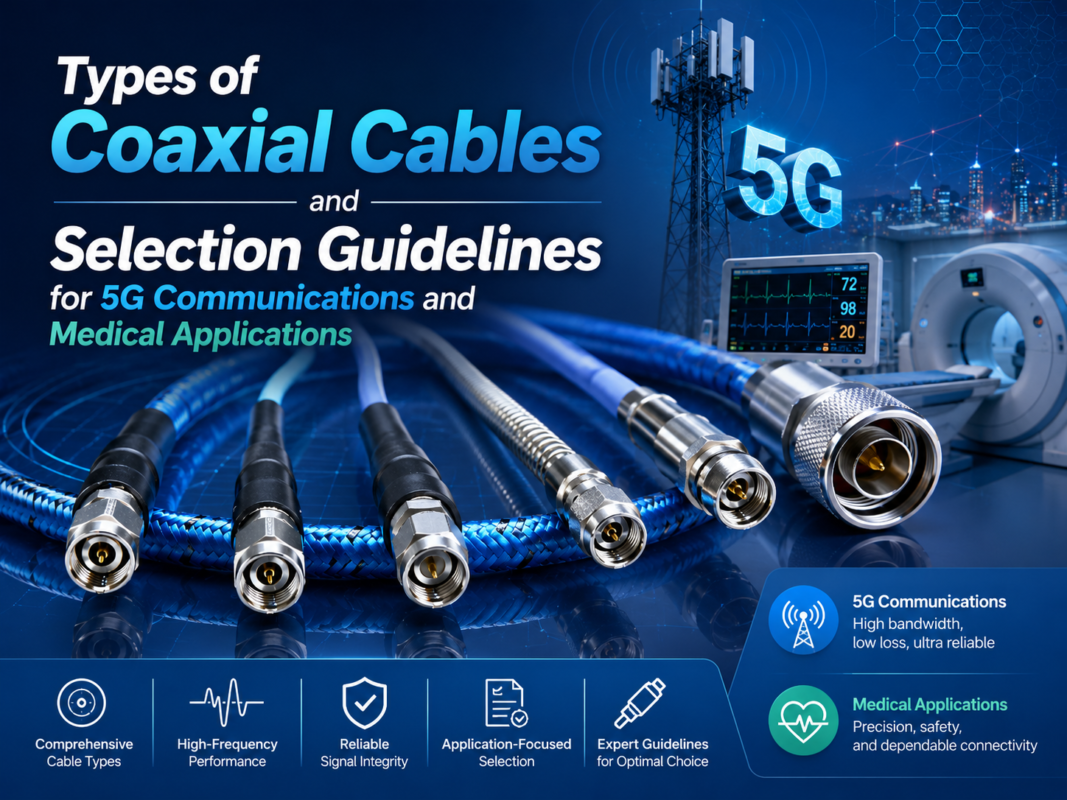
Servers, routers, and cell towers need steady links to keep global data moving. Because they handle high-speed digital traffic, an RF wire harness is the standard choice here to prevent data loss.
Solar fields use specialized harnesses to move power from panels to batteries and inverters. They often utilize rugged RF links for system monitoring and environmental data tracking.
Combat vehicles, drones, and military jets face brutal conditions and electronic warfare. They require heavy EMI shielding and tough materials like Kevlar or Teflon to keep critical communications open.
Harnesses act as a robot’s nervous system. They route power to heavy motors and data to sensors so the machine can actually move, think, and perform tasks smoothly.
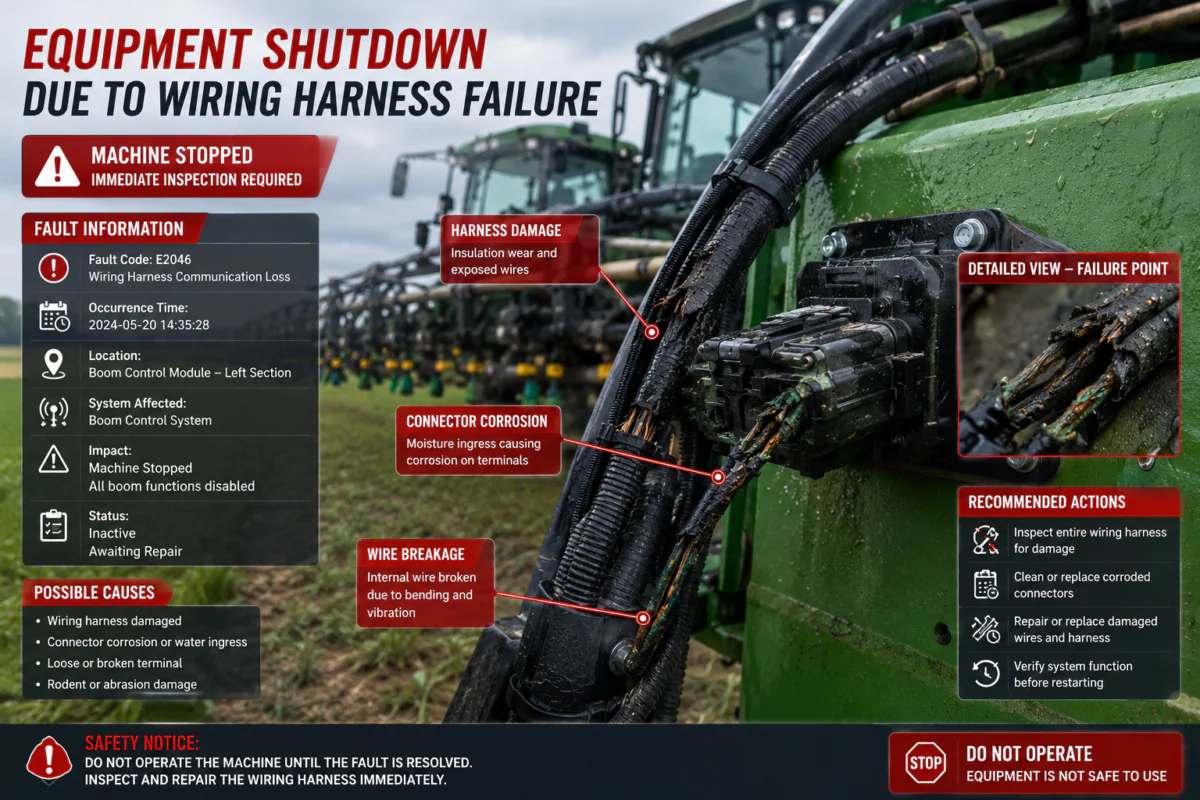
Critical equipment like MRI machines or CT scanners need zero-error signal lines to protect lives. Meanwhile, heavy farm tractors use rugged wiring to keep harvesting systems running through dust, mud, and rain.
Bundling your wires offers clear engineering and commercial perks over running loose cables:
Drives Engineering Innovation: It packs dozens of loose lines into a tight, neat bundle, freeing up room inside enclosures and improving airflow.
Simplifies Installation and Maintenance: Instead of wiring everything pin-by-pin on the factory floor, workers just plug in a pre-made component, making troubleshooting and servicing much faster.
Controls Assembly Labor Time: Lowers final assembly costs by simplifying the wire harness assembly process with quick, plug-and-play connector housings.
Improves External Protection: Outer sleeves and industrial tapes shield fragile copper from cuts, chemicals, friction, and electromagnetic noise.
Boosts Electrical Safety: Keeping cables secure prevents rubbing and shorts, which protects the whole machine and extends its lifespan.
Eliminates Clutter: Reduces cable tangles inside an enclosure to create a clean, professional, and efficient wired system setup.
Even though the basic logic is straightforward, high-speed wire harness processing introduces several engineering hurdles:
Complexity Management: With hundreds of branches and pins, a tiny blueprint mistake ruins the whole piece. Smart process planning and optimized assembly board layouts are the only way to scale.
Quality Assurance: Dense electrical designs hide errors easily. Testing cannot be a one-time thing at the very end; you have to run quality checks after cutting, crimping, and final routing stages to ensure compliant performance.
Material and Supply Chain Factors: Sourcing exact materials that meet high-performance specs for aerospace or military use can sometimes be difficult. Supply chain disruptions can stall lines. Manufacturers mitigate this risk by expanding their supplier base, keeping emergency stock, and buying local when possible.
Scalability: Shifting from a prototype to high-volume custom wire harness manufacturing is tough. The answer lies in automating repetitive tasks like cutting and crimping, and creating modular designs that adapt easily.
When dealing with tough industrial or automotive operating environments, choosing a wire harness processing partner with proven manufacturing experience is vital. As a professional wire harness manufacturer with 28 years of experience in industrial and automotive cable assembly production, WIRES fully meets your specific technical requirements:
Certified to International Quality Systems: Our factory is fully certified to ISO 9001 and the strict automotive standard IATF 16949. This provides a reliable guarantee for production compliance and electrical safety.
Co-Design Check (DFM) Capabilities: Our engineering team has a strong track record. We review your custom wire harness layout, materials, and configurations before production to verify current-carrying limits and optimize terminal compatibility.
Digital Production Equipment and Strict QA: The factory uses modern automatic cutting and crimping machines equipped with digital crimp force monitors (CFM). Following highest standards, we ensure the axial physical pull-off force of every crimped terminal strictly exceeds 133 N, keeping crimp tolerances within ±0.03mm for an airtight connection.
Flexible Supply Chain Support: For demanding commercial custom orders or prototype development projects, we fully support a low minimum order quantity (MOQ) of just 100 sets. Engineering samples can be assembled quickly, and mass production delivery times are locked within 7 to 14 working days.
Responsive Technical Support: Wire harness structures are complex. We provide consistent, fast customer and technical support via email, phone, and online channels.
Feel free to contact the WIRES engineering desk anytime to review your project drawings and get a factory-direct bulk procurement quotation.
 English English
 Vietnamese
 Indonesian
 Arabic
 Spanish